

The modern living room is dominated by a mesmerizing portal: a vast, ultra-thin canvas of light capable of rendering everything from the subtle hues of a sunset to the explosive chaos of a blockbuster. The LED TV, a marvel of contemporary engineering, feels almost magical in its simplicity to the end-user. Yet, its creation is a story of global supply chains, microscopic precision, and layers of sophisticated technology, all converging in spotless factories where robots and humans collaborate to build windows into other worlds. The journey from raw materials to a finished television is a meticulous symphony of physics, chemistry, and automation.
The process begins not on the assembly line, but in the specialized factories that produce the heart of the display: the LCD panel. While marketed as “LED TVs,” these devices are technically Liquid Crystal Displays (LCDs) that use Light Emitting Diodes (LEDs) as their backlight. The panel starts with two ultra-pure sheets of glass, sourced from manufacturers like Corning, known for its “Gorilla Glass.” These are not ordinary glass panes; they are meticulously engineered to be flawlessly flat, transparent, and able to withstand high temperatures and precise etching.
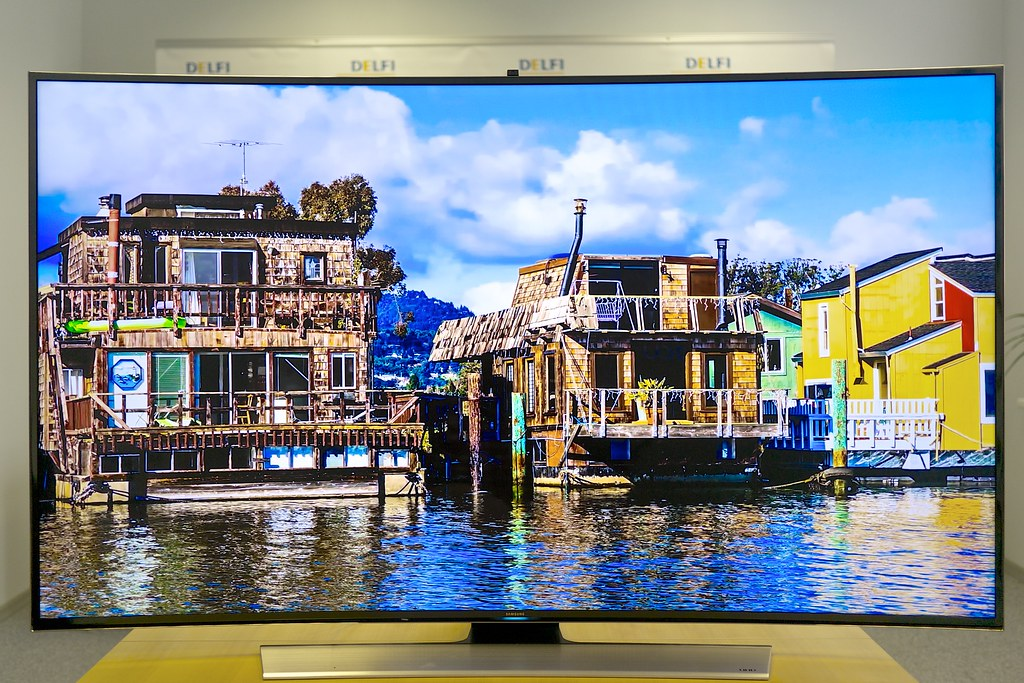
The first critical step is the creation of the Thin-Film Transistor (TFT) array. On the back glass substrate, a intricate matrix of millions of microscopic transistors is deposited—one for each sub-pixel (red, green, and blue) that will make up the final image. This is done through a photolithography process akin to silicon chip manufacturing. Layers of conductive and semiconductive materials are deposited, coated with a light-sensitive photoresist, and exposed to a patterned mask using precise lasers. The exposed areas are then etched away, leaving behind the incredibly complex TFT circuit that will act as the traffic controller for each individual pixel.
Simultaneously, the front glass substrate is treated to form the colour filter plate. This sheet is imprinted with a precise pattern of red, green, and blue filters, perfectly aligned to correspond with the TFT array on the back plate. A black matrix, a grout-like material, is printed between each filter to prevent colour bleed and enhance contrast.
With both plates prepared, the stage is set for the introduction of the namesake component: the liquid crystal. Spacers, tiny plastic beads, are scattered on one plate to maintain a uniform, hair-thin gap—usually about 5 microns. The plates are then sealed around the edges, leaving a small filling port. In a vacuum chamber, the liquid crystal material, a viscous fluid whose molecules can be twisted by electrical charge, is injected into the gap. This material is the gatekeeper of light. Once sealed, polarizing films are laminated to the outer surfaces of the glass sandwich. These films act like microscopic slats, only allowing light waves oscillating in a specific direction to pass through.
While the LCD panel controls image formation, it does not produce its own light. That is the job of the LED backlight unit (BLU), the innovation that truly defines the modern TV. There are two primary configurations: edge-lit and full-array local dimming (FALD). For sleek, ultra-thin panels, LED strips are mounted along the perimeter (usually the bottom) of a light guide plate (LGP). This acrylic plate is engineered with a pattern of microscopic dots that scatters the LED light evenly across the entire screen. The FALD system, favoured for higher-end models for its superior contrast, features a grid of hundreds or even thousands of individual LEDs mounted directly behind the panel. These can be dimmed or brightened in specific zones independently, allowing for deep blacks in one part of the screen while maintaining brilliance in another.
A critical optical stack sits between the backlight and the LCD panel. This includes diffuser sheets to homogenize the light, prism sheets (or brightness enhancement films) to collimate and direct light forward for increased perceived brightness, and reflector sheets to recycle any backward-scattered light. This stack ensures the light hitting the LCD is perfectly uniform and efficient.
With the core components ready, they converge on the main assembly line. The process is highly automated, with robotic arms performing tasks with sub-millimeter accuracy. The LED backlight unit is first installed into the TV’s plastic or metal chassis. The LCD panel is then carefully lowered and bonded to the BLU. This is a delicate operation, as any dust particle trapped between them would create a permanent, visible blemish.
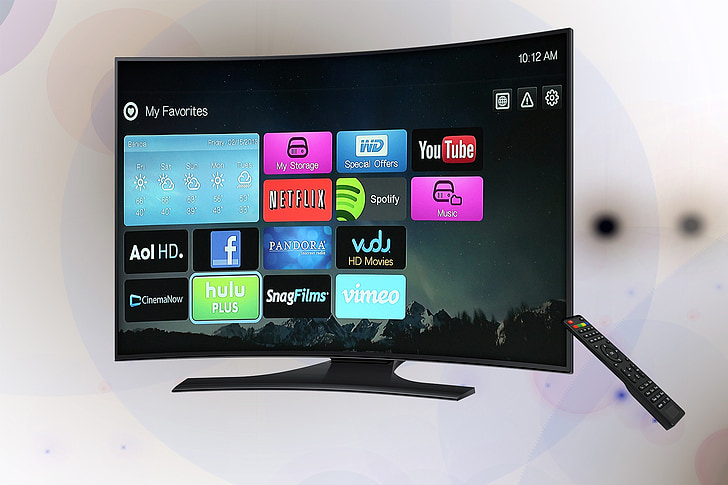
Next, the driver electronics are connected. Flexible printed circuits (FPCs), resembling tiny ribbon cables, are thermally bonded to the edges of the LCD panel, connecting the millions of pixel electrodes to the control boards. The main printed circuit board (PCB), housing the TV’s brain—the processor, memory, and tuner—and the power supply unit (PSU) are mounted onto the chassis. All components are interconnected, forming the nervous system of the device.
The final structural step is the attachment of the bezel and stand. The bezel, the frame around the screen, is snapped or screwed on, giving the TV its finished aesthetic. The stand, often metal for stability, is securely fastened.
No TV is ready for the living room without rigorous testing and quality assurance. Each unit powers up on the line for a “first light” inspection. Automated optical inspection (AOI) systems flash test patterns on the screen, using high-resolution cameras to detect dead pixels, uniformity issues, or colour anomalies. Sound output, Wi-Fi connectivity, port functionality, and smart TV features are all verified. Any unit failing these checks is diverted for repair or analysis. Finally, the TV is cleaned, packaged with its remote, manuals, and cables, and prepared for its global journey.
The manufacture of an LED TV is a testament to human ingenuity in miniaturization and mass precision. It is a process where glass is transformed into a dynamic electrical switch, where inert crystals dance to the command of transistors, and where diffused light is tamed into vivid imagery. From the clean rooms of glass factories to the robotic ballet of the final assembly, it represents a pinnacle of industrial collaboration, resulting in the vibrant portal through which we consume stories, information, and connection.