

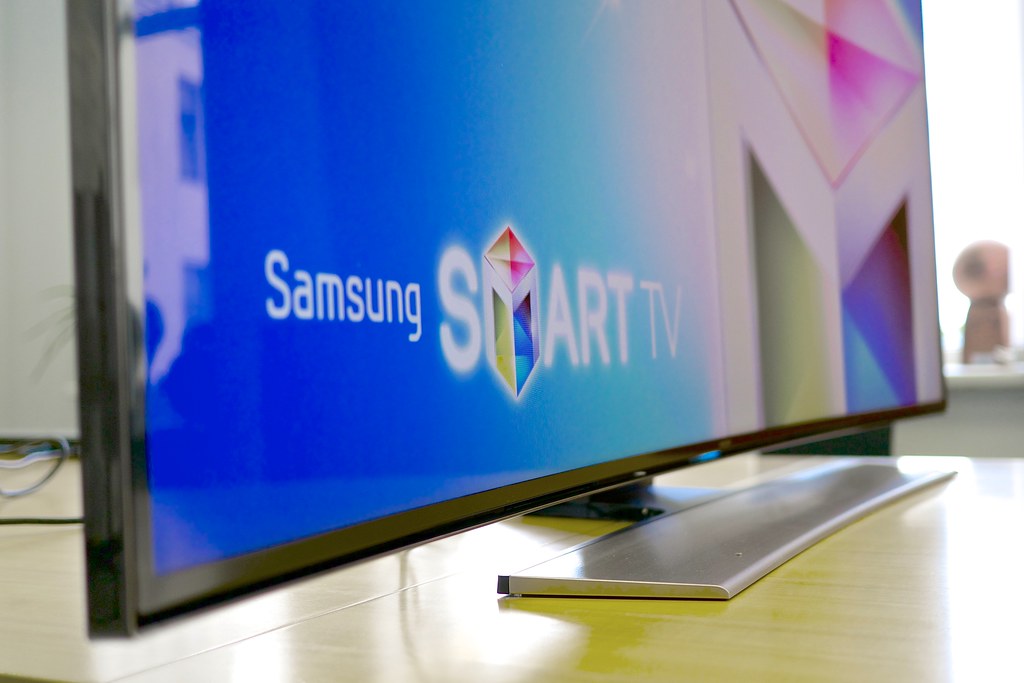
For over a decade, the LED TV has reigned supreme in living rooms, home theaters, and bedrooms around the globe. While often used as a catch-all term for modern flat-screen televisions, true LED technology represents a significant evolutionary leap from its predecessors, reshaping not just the physical form of the television, but the very way we consume visual media. This journey from bulky cathode-ray tubes to today’s sleek, smart-powered canvases is a story of relentless innovation in pursuit of a perfect picture.
From CRT to LCD: The Stage for a Revolution
To appreciate the LED TV, we must first glance backward. For half a century, the Cathode Ray Tube (CRT) television was the undisputed king. These deep, heavy boxes produced a warm, familiar picture but were limited in size, resolution, and energy efficiency. The turn of the millennium introduced the flat-panel revolution, spearheaded by Plasma and Liquid Crystal Display (LCD) technology. LCDs were thin, light, and could be made much larger, but they had a critical weakness: their backlight.
Early LCD TVs used Cold Cathode Fluorescent Lamps (CCFLs) as a light source behind the liquid crystal panel. This technology was a step forward, but it came with compromises. CCFL backlights were power-hungry, produced a considerable amount of heat, and struggled with consistent brightness and color across the entire screen. More importantly, they could not be selectively dimmed, meaning that to display a black pixel, the LCD shutter would try to block this always-on light, often resulting in a murky gray rather than true, inky black. Contrast suffered, and dark scenes in movies could look washed out.
The LED Breakthrough: A Better Light
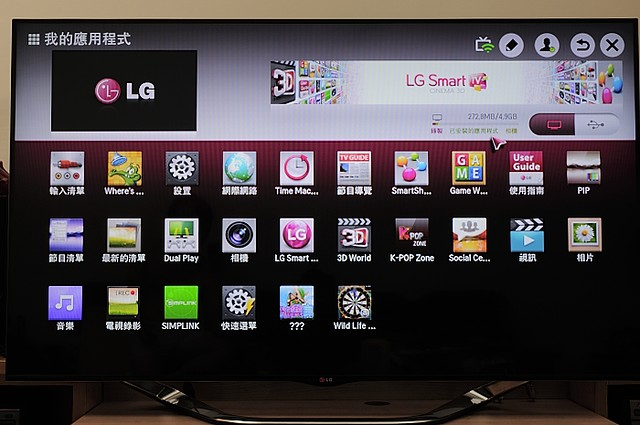
The advent of the LED TV, more accurately called an LED-backlit LCD TV, solved these fundamental flaws by replacing CCFL tubes with Light Emitting Diodes (LEDs). This shift, beginning in the late 2000s, was transformative on multiple levels.
First, picture quality underwent a dramatic improvement. LEDs are smaller, more efficient, and offer superior control. This led to the development of two key backlighting arrangements:
- Edge-Lit: LEDs are positioned around the perimeter of the screen. This allows for incredibly slim and elegant designs (often just a few millimeters thick) and is highly cost-effective. However, it can sometimes lead to less uniform lighting, with potential for lighter areas near the edges.
- Full-Array Local Dimming (FALD): A grid of LEDs is placed directly behind the entire panel. This is the game-changer. With FALD, the TV can dim or brighten specific zones of LEDs independently based on the content on screen. When a star shines in a night sky, the LEDs behind the star can shine brightly while those in the surrounding black space can turn off completely. The result is spectacular contrast, with luminous highlights and profound, genuine blacks that rival more expensive technologies.
This local dimming capability is the single most important contribution of LED backlighting, creating a dynamic, punchy image with High Dynamic Range (HDR) content that truly pops.
Second, the form factor and efficiency improved exponentially. LEDs consume significantly less power than CCFLs, making modern large-screen TVs far more energy-efficient. Their small size and low heat output enabled the breathtakingly thin, minimalist designs that have become iconic, allowing TVs to function as aesthetic objects rather than bulky appliances.
The Smart TV Synergy and the 4K/HDR Era
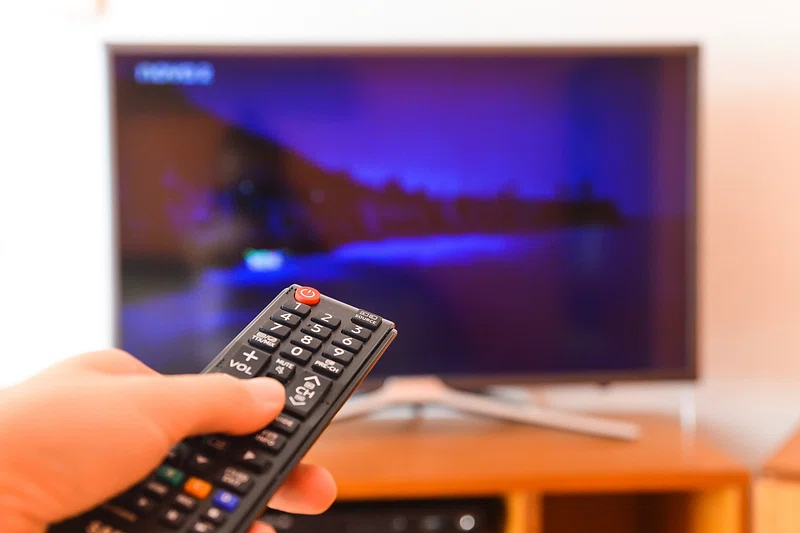
The rise of LED technology coincided perfectly with two other revolutions: the Smart TV and ultra-high-resolution content. The processing power and connectivity required for streaming dovetailed with the advanced electronics of LED sets. Your average LED TV is no longer just a display; it’s a multimedia hub, running platforms like Roku TV, Google TV, or webOS, integrating Netflix, Disney+, YouTube, and more directly into the interface.
Furthermore, LED backlights were the essential engine to drive the 4K Ultra HD and HDR boom. Displaying 8 million pixels requires a bright, clean light source. But HDR, which expands the range of both contrast and color, is where LED backlighting proves indispensable. HDR content contains metadata that instructs the TV on how bright or dark specific scenes should be. A high-quality FALD LED TV uses this data to orchestrate its LED zones dynamically, delivering the spectacular brightness peaks and shadow details that HDR filmmakers intended. Technologies like Quantum Dots—a film of nano-sized crystals placed over the LED backlight—further enhanced color, allowing LED TVs to cover a wide color gamut for stunning, lifelike hues.
The Present and Future: Mini-LED and the OLED Challenge
Today, LED TV technology continues to evolve. The latest frontier is Mini-LED. As the name suggests, Mini-LEDs are dramatically smaller than conventional LEDs. This allows a manufacturer to pack thousands, even tens of thousands, of these tiny LEDs into a full-array backlight. With more LEDs comes more precise dimming zones. A high-end Mini-LED TV might have over a thousand dimming zones compared to a few hundred on a standard FALD set. This granular control further reduces unwanted light bloom around bright objects and deepens black levels, narrowing the performance gap with the chief competitor: OLED.
OLED (Organic Light-Emitting Diode) represents a different philosophy. Each pixel produces its own light and can turn completely off, offering infinite contrast. While OLED excels in perfect blacks and viewing angles, high-end Mini-LED TVs can now achieve phenomenal brightness, making them ideal for bright rooms and spectacular HDR highlights. The competition between advanced LED/Mini-LED and OLED has pushed both technologies to incredible heights, giving consumers an array of spectacular choices at various price points.
Conclusion: A Legacy of Luminous Innovation
The LED TV’s dominance is no accident. It was the right technology at the right time, solving the critical flaws of early LCDs while enabling the form factors, smart features, and visual standards we now take for granted. It democratized large-screen, high-quality home theater experiences, making immersive movie nights, thrilling sports viewing, and vibrant gaming accessible to millions.
While new display technologies like MicroLED and QD-OLED wait in the wings, the LED TV, in its advanced Mini-LED form, remains a powerhouse of performance and value. It stands as a testament to how a fundamental improvement—replacing a fluorescent tube with a diode—can ignite a chain reaction of innovation, ultimately transforming how we see and interact with the world on a screen. From the living room centerpiece to the unseen portal to endless streams of stories and information, the LED TV’s glow continues to define our visual culture.