

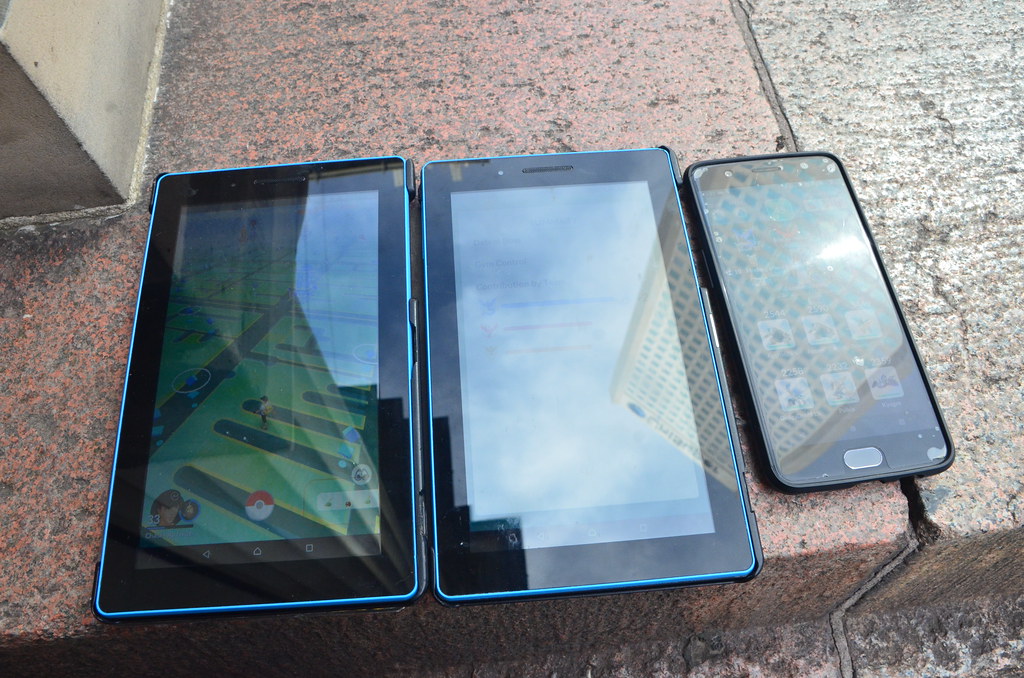
In the palm of our hands, we carry the sum of human knowledge, global communication, and endless entertainment. For most, this power resides in one of two devices: the smartphone or the tablet. While they share a common technological DNA, their roles in our digital lives are distinct, shaped by screen size, portability, and intention. Choosing between them—or more accurately, understanding how to leverage each—is key to a harmonious and productive tech ecosystem.
The Defining Divide: Screen Size and Portability
The most immediate difference is physical. Smartphones, typically with screens ranging from 6 to 6.9 inches, are engineered for ultimate portability. They are pocket-sized lifelines, designed for one-handed use and constant companionship. This compact form makes them the undisputed champion of communication on-the-go, instant photography, and quick information hits.
Tablets, with displays usually starting at 8 inches and soaring past 12 inches, trade pocketability for visual real estate. This larger canvas transforms the user experience. Reading e-books, browsing the web, watching movies, and working on documents become more immersive and less straining on the eyes. The tablet is a device you hold, but often also prop up—a lean-back experience compared to the smartphone’s lean-forward urgency.
Core Purposes: The Pocketable Commander vs. The Portable Canvas
The Smartphone: Your Digital Swiss Army Knife
The smartphone’s primary function is connection. It is, first and foremost, a communication hub optimized for calls, instant messaging, texting, and social media. Its always-on cellular connectivity (for most models) and ubiquitous presence make it irreplaceable for coordination and contact. Beyond this, its compactness has made it our primary camera, wallet (via digital payments), navigation GPS, and health tracker. It excels at micro-tasks: checking the weather, setting a timer, scanning a QR code, or sending a quick email. It is a device of immediacy and necessity.
The Tablet: Your Immersive Portal
The tablet, while capable of communication, shines in consumption and creation. It is the superior device for media consumption—streaming video on its expansive display is a cinematic experience compared to the smartphone’s window. Reading long articles, digital magazines, or graphic novels is genuinely pleasurable. This screen size also unlocks more robust content creation. Whether sketching with a stylus, editing photos or videos with precision, composing longer documents with a tactile keyboard, or even making music, the tablet offers a sandbox that the smartphone’s screen often constricts. It is a device for engagement and focus.
The Ecosystem and Multitasking
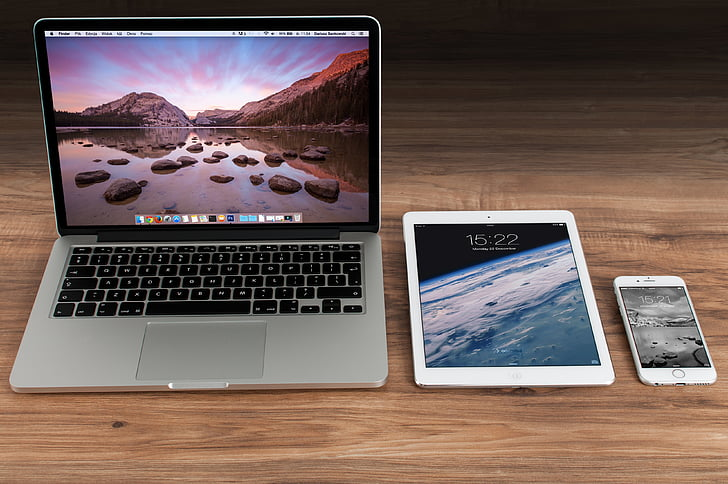
Modern operating systems (iOS and Android) bridge these devices, but they utilize their hardware differently. Smartphones are masters of app-switching, handling one primary task brilliantly at a time due to screen constraints. Advanced multitasking, like split-screen views, is often clunky.
Tablets, however, are built to leverage their space for productivity. Robust multitasking features are standard—running two apps side-by-side, floating windows, and seamless file dragging are not just possible but encouraged. When paired with a detachable keyboard and stylus (like the Apple Pencil or S Pen), the tablet blurs the line towards laptop-replacement territory, especially for students and mobile professionals. It becomes a hybrid device for note-taking, research, and light content work.
The Intangibles: Intention and Posture
A subtle but profound difference lies in how we intend to use each device. Reaching for your smartphone is often an instinctual, reflexive action—a minute-long check of notifications, a rapid search, a snapshot of a moment. Usage is frequent but fragmented.
Picking up a tablet is typically a more deliberate choice. It signals an intent to spend more dedicated time on an activity: watching a full episode, reading a chapter, completing a digital illustration, or reviewing a business report. This is reflected in usage metrics; smartphone daily use is higher in frequency, but tablet sessions are often longer in duration. Our posture changes too: we hunch over phones, but we recline with tablets.
The Convergence and The Choice
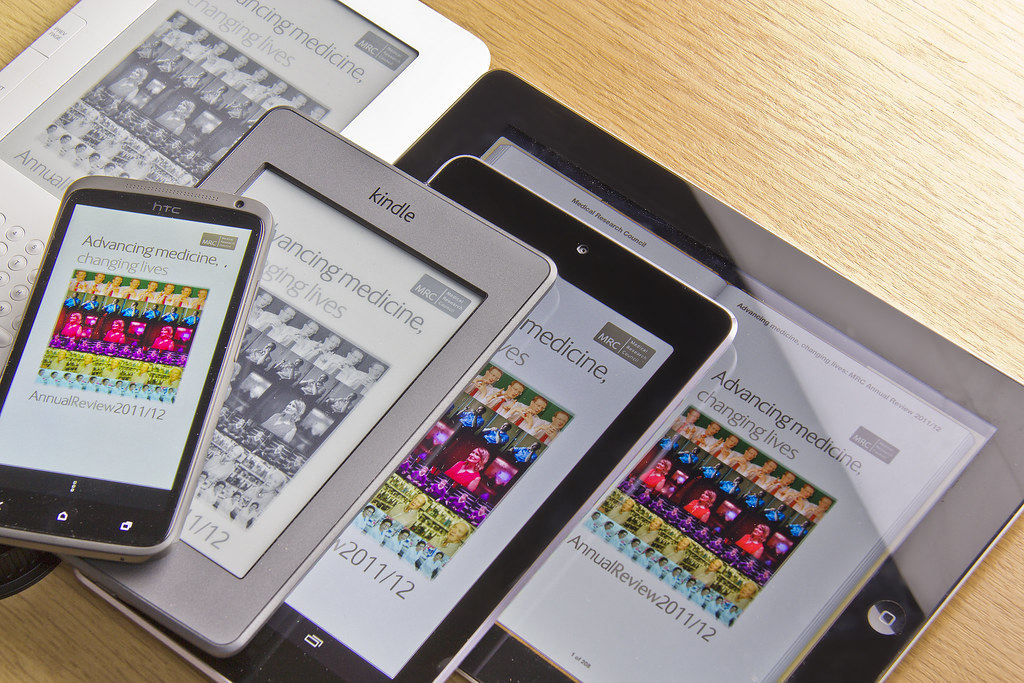
The lines are not absolute. Phablets (large-screen smartphones) inch into tablet territory, while smaller tablets like the iPad mini can feel like oversized phones. Connectivity gaps have closed, with many tablets now offering cellular options. Furthermore, the rise of cloud syncing means your messages, documents, and photos flow seamlessly between both, making them complementary pieces of a whole rather than rivals.
So, do you need both? For many, the answer is yes, as they serve different primary roles. The smartphone is the indispensable, always-with-you tool for life management and communication. The tablet is the preferred device for relaxation, deep consumption, and specific creative or professional tasks.
The Final Verdict:
- Choose the SMARTPHONE if your priority is ubiquitous connectivity, ultimate portability, photography, and managing the day-to-day minutiae of digital life. It is your essential limb to the modern world.
- Choose the TABLET if you seek a better device for media consumption, reading, light computing, digital art, or note-taking. It is your portable entertainment center and digital notebook.
- Ideal Scenario: Utilize both. Let the smartphone handle the quick, urgent, and communicative tasks. Reserve the tablet for immersive viewing, focused work sessions, and creative projects. In this synergy, the smartphone is your scout and messenger, and the tablet is your library, studio, and theater.
Ultimately, the “versus” is a misnomer. In our multi-device world, the tablet and smartphone are less competitors and more siblings in your tech family—each with its own strengths, waiting for the right moment to be called into service. Understanding their unique dialects of design and function allows you to harness the full potential of the digital age, one screen at a time.