

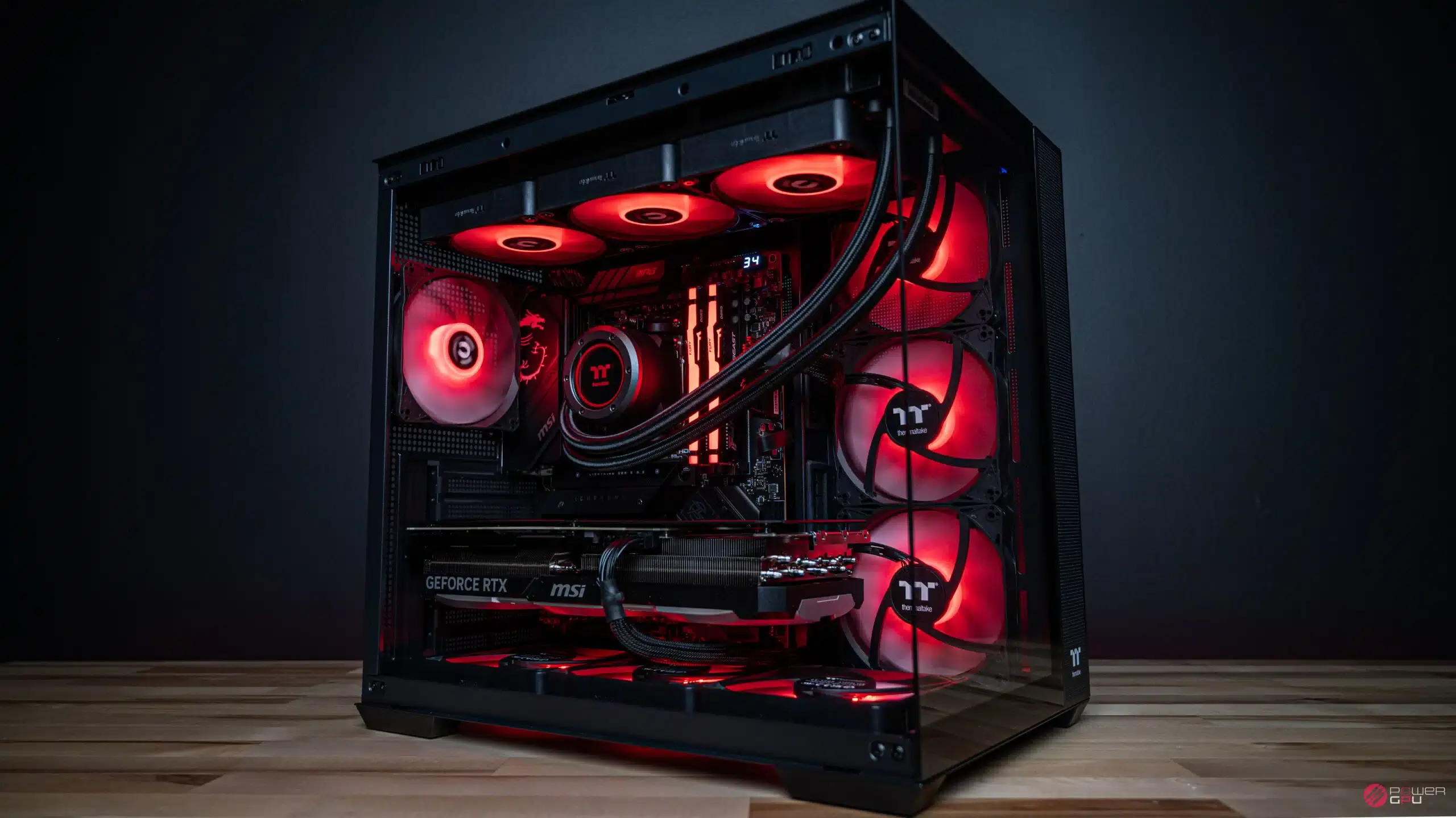
The technology landscape is cyclical, marked by periods of abundant innovation and frustrating scarcity. For consumers and businesses alike, few things cause as much anticipatory dread as the potential for rising hardware costs. As we look toward 2026, a confluence of macroeconomic, industrial, and technological factors is aligning to create what analysts are calling a “perfect storm” likely to drive significant price increases for two critical components: graphics processing units (GPUs) and storage devices (SSDs and HDDs). This isn’t mere speculation; it’s a forecast built on observable trends in supply chains, market demand, and geopolitical realities.
The GPU Conundrum: More Than Just Gaming
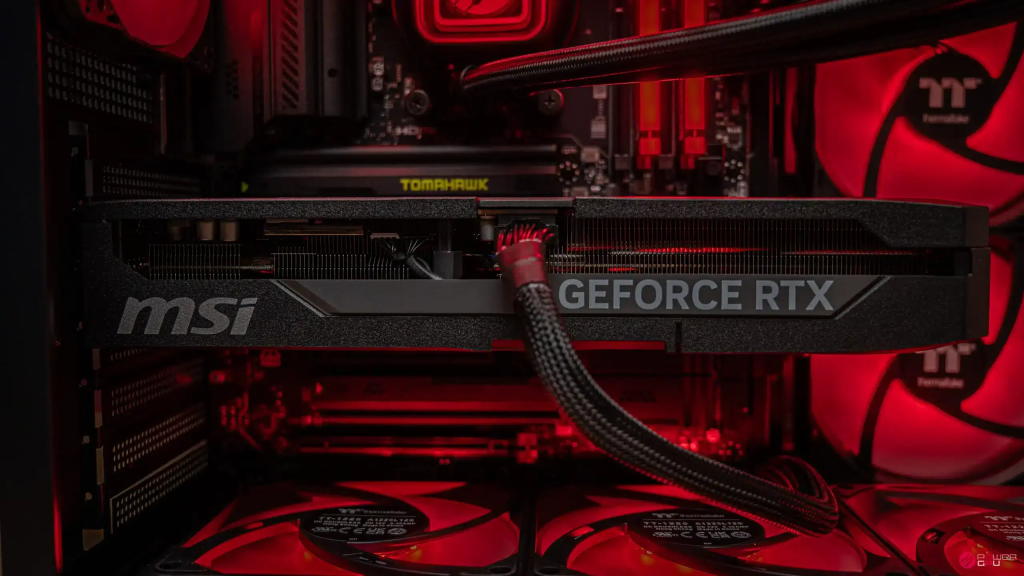
The graphics card market, still recovering from the crypto-mining frenzy and pandemic-induced shortages of the early 2020s, faces a new wave of pressure from multiple directions.
1. The AI Arms Race Escalates: The primary driver for GPU demand is no longer just gaming or even cryptocurrency. It’s artificial intelligence. The large language models, generative AI tools, and advanced machine learning algorithms that are becoming ubiquitous are insatiably hungry for the parallel processing power that high-end GPUs provide. Companies like NVIDIA, AMD, and even custom silicon designers like Google and Amazon are locked in an arms race to build and acquire more computational power. This enterprise and hyperscaler demand creates a top-down squeeze on advanced manufacturing capacity. Foundries like TSMC give priority to these high-margin, long-term contracts, which can divert capacity away from the consumer GPU lines and inflate overall wafer costs—a cost eventually passed down the chain.
2. The Next-Gen Node Transition: 2026 is poised to be a key year for the adoption of next-generation semiconductor fabrication processes, such as TSMC’s N2 (2nm) and similar advancements from Samsung and Intel. While these nodes promise incredible performance and efficiency gains, they are astronomically expensive to ramp up. The cost of building a leading-edge fab has soared into the tens of billions of dollars. These R&D and capital expenditures are amortized across every chip produced, leading to a higher baseline cost for new generations of GPUs. Consumers hoping for a price drop on current-gen cards may find them lingering at high prices as manufacturers focus on launching new, more expensive architectures built on these costly new processes.
3. Geopolitical and Trade Tensions: The semiconductor cold war between the U.S. and China continues to reshape supply chains. Export controls on advanced chipmaking equipment and the chips themselves are forcing companies to navigate a complex web of regulations. This often leads to inefficient “friend-shoring,” duplicated supply lines, and increased logistical overhead. Furthermore, the concentration of advanced manufacturing in specific regions (like Taiwan) remains a persistent risk factor. Any geopolitical instability or trade policy shift can trigger panic buying and inventory hoarding, further exacerbating shortages and enabling price gouging.
The Storage Squeeze: A Return to Volatility
Simultaneously, the storage market, which enjoyed a long period of price declines thanks to oversupply and improved yields, is heading for a sharp correction.
1. The NAND Flash Rebound: The NAND flash memory used in SSDs has been in a prolonged downturn, with manufacturers like Samsung, SK Hynix, and Micron reporting losses. Their response has been decisive: dramatic production cuts. By reducing the output of memory wafers, these companies are intentionally tightening supply to drive prices back up to profitable levels. This classic tactic in the cyclical memory market has a delayed effect; the cuts made in 2024 and 2025 will fully manifest in market availability and pricing by 2026. Analysts at TrendForce and others are already predicting price hikes of 20% or more through 2025, a trend expected to continue into 2026.
2. AI’s Data-Hungry Sibling: AI doesn’t just need GPUs to think; it needs vast repositories to remember. The AI boom is fueling an unprecedented demand for high-performance storage. Training datasets are colossal, and the inference phase of AI applications requires low-latency access to massive information pools. This drives demand for both high-capacity enterprise SSDs and even traditional hard drives for colder data tiers. Enterprise customers are willing to pay a premium for speed and capacity, again creating a demand pull that can starve the consumer market and elevate prices across the board.
3. Technological Transitions and Consolidation: The storage industry is in the midst of a shift to higher-layer 3D NAND (moving beyond 200 layers) and the adoption of new interfaces like PCIe 5.0 and 6.0. Each transition requires significant capital investment. Moreover, the industry has consolidated over the years, with only a handful of players controlling the majority of NAND production. This oligopolistic structure gives these firms more power to manage supply and influence pricing collectively. Additionally, as SSDs become the default boot drive even in budget systems, the baseline demand is structurally higher than in the past, providing a firm price floor.
The Converging Storm and Consumer Impact
The true danger lies in the convergence of these factors. A business building a new data center in 2026 will be competing for the same advanced semiconductor manufacturing capacity (for AI accelerators and storage controllers) and the same NAND flash output as consumer GPU and SSD brands. This competition will strain global supply chains to their limits.
For the average consumer, this means:
- Higher MSRPs for Next-Gen GPUs: The next generation of gaming graphics cards, while powerful, may launch at price points that reset expectations upward.
- Stagnant Discounts on Current Gen: Older models may not see the deep discounts typically expected as they remain in production to fill mid-range gaps.
- The End of the SSD Price Plunge: The era of routinely snagging a 2TB SSD for under $100 is likely over. Prices will stabilize and rise, particularly for high-performance Gen4 and Gen5 drives.
- Increased System Build Costs: For PC builders, content creators, and gamers looking to upgrade, the total cost of a system could see a noticeable jump.
In conclusion, 2026 is shaping up to be a challenging year for hardware affordability. The twin engines of artificial intelligence and strategic supply chain management are driving demand and constricting supply for the fundamental building blocks of modern computing. While innovation will continue at a breathtaking pace, its price tag is set to increase. For those considering a major upgrade, the old adage “buy it when you need it” might need a corollary: “and you might want to do it before 2026.”