

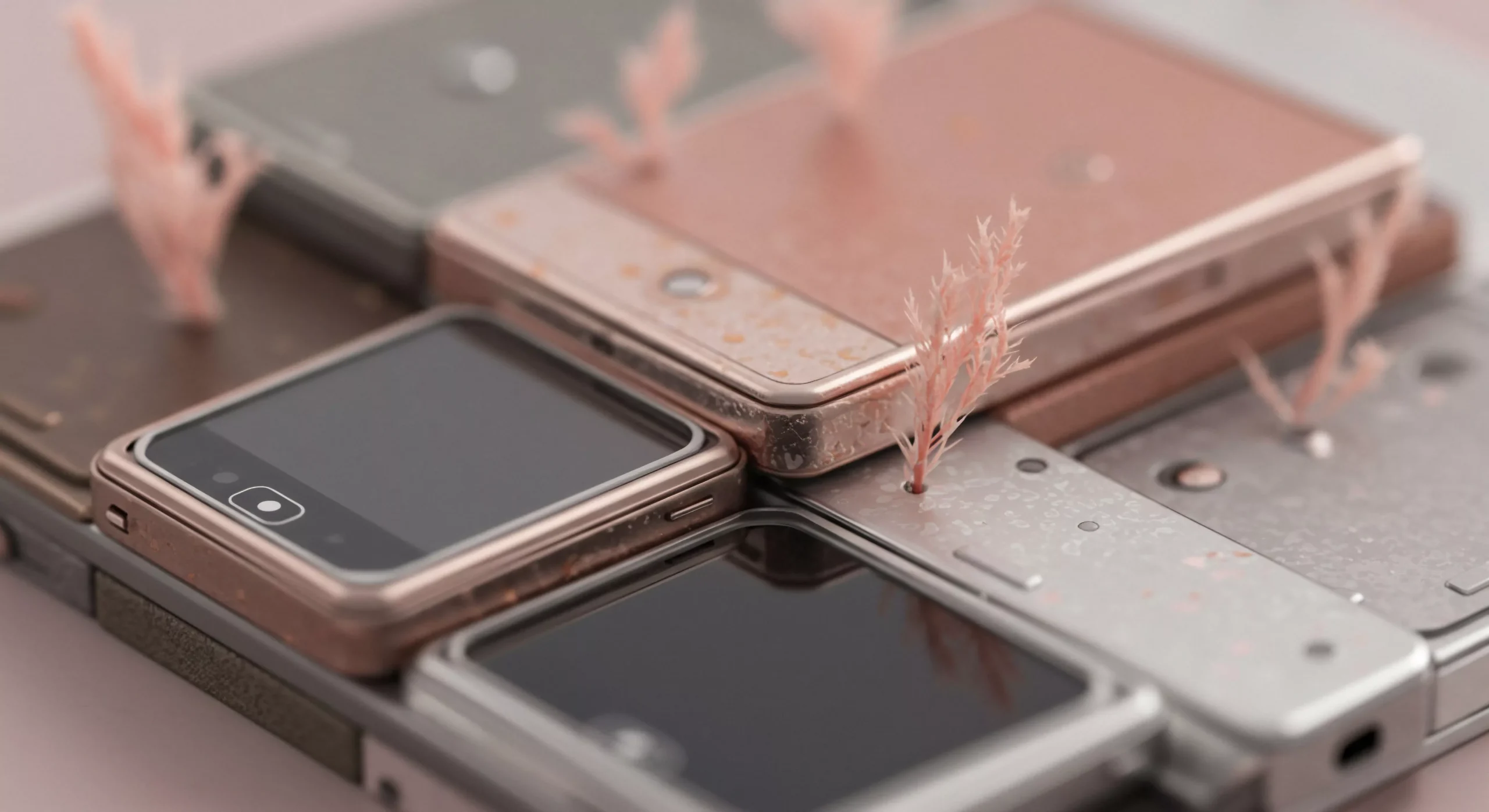
The mobile phone is the most successful consumer technology in history. From brick-like status symbols of the 1980s to the sleek, ubiquitous glass slabs of today, these devices have achieved a penetration rate that dwarfs any other invention, including electricity and clean water. But their story is no longer simply one of technological triumph; it is a complex narrative of profound human transformation. The mobile phone has woven itself into the very fabric of our existence, reshaping our brains, our relationships, our societies, and our understanding of reality itself. It is, in our pockets, a powerful paradox: a tool of incredible liberation and a potential source of deep constraint.
From Utility to Extension of Self
The journey began with a promise of utility. The first mobile phones were purely functional—they untethered the voice call from the wall. This in itself was revolutionary, altering business, emergency response, and social coordination. The short message service (SMS), originally an engineer’s afterthought, unleashed a new grammar of communication, giving rise to a culture of texting that defined a generation.

Then came the smartphone, a convergence device that subsumed the camera, the music player, the map, the newspaper, and the gaming console. With the app store model, it became a platform for anything imaginable. This transition marked a critical shift: the phone moved from being a tool we use to an extension of our self. It is now our primary interface with the digital world, our memory bank (holding thousands of photos), our navigational cortex, our social ledger, and our portal to global knowledge. We don’t just consult our phones; we rely on them to mediate and enhance our cognitive and social capacities.
The Reshaping of the Human Experience
This integration has fundamentally altered daily life. Socially, we exist in a state of “ambient co-presence.” We are simultaneously with the people in the room and with a distributed network of friends, family, and colleagues. This has dissolved geographical barriers, allowing long-distance relationships to thrive and creating global communities of interest. Yet, it has also introduced the phenomenon of “phubbing” (snubbing someone in favor of your phone), challenging the quality of our face-to-face interactions and fueling debates about attention and presence.
Cognitively, the mobile phone has outsourced memory. Why remember a fact, a number, or a direction when a device in your pocket can retrieve it instantly? This “Google effect” frees our mental RAM for higher-order thinking but may also atrophy certain memory muscles. Our attention spans are fragmented by endless notifications—a constant stream of micro-interruptions that train our brains for continuous partial attention, making deep, sustained focus a rarer commodity.

Economically, it has democratized creation and commerce. The gig economy, from ride-sharing to food delivery, is built on the mobile phone. Small businesses can reach global markets through social media. Artists can create and distribute music, films, and writing from a single device. Financial inclusion has leapt forward in developing nations, where mobile banking has provided services to millions without traditional bank accounts.
The Shadow in the Light: The Paradoxes We Carry
However, nestled within these advancements are significant tensions—the core paradoxes of the pocket computer.
The Connectivity-Isolation Paradox: We are more connected than ever, yet reports of loneliness and social anxiety are rising. Curated highlights on social media can foster social comparison and a fear of missing out (FOMO), while replacing deep, vulnerable conversation with lightweight, performative interactions.
The Empowerment-Surveillance Paradox: Our phones empower us with knowledge and voice, but they are also the most sophisticated surveillance devices ever made. They track our location, our purchases, our searches, and our social connections. This data creates unparalleled convenience but also fuels powerful advertising engines and, in the wrong hands, can enable societal control and manipulation.
The Presence-Absence Paradox: The device that allows us to be digitally present anywhere renders us physically absent from our immediate surroundings. The compulsion to document an experience through a camera lens can sometimes come at the expense of fully immersing in it.
The Information-Misinformation Paradox: We have the sum of human knowledge at our fingertips, but we also have a firehose of misinformation, conspiracy theories, and algorithmically-fueled echo chambers. The phone makes us all publishers, but without the traditional gatekeepers, the truth can become elusive.
Navigating the Future with Intention
As we stand on the cusp of new integrations—with artificial intelligence becoming a personalized assistant, and augmented reality overlaying digital information onto our physical world—the need for mindful engagement is critical. The future of our relationship with mobile phones is not predetermined by technology, but by the choices we make as individuals and societies.
We must cultivate digital literacy, teaching not just how to use technology, but how to understand its effects, discern credible information, and protect personal data. We need to advocate for ethical design, pushing for regulations and corporate practices that prioritize user well-being over endless engagement and data extraction. Most importantly, we must practice intentional use—creating phone-free zones and times, reclaiming our attention, and remembering that the most powerful features of our humanity—empathy, deep connection, and creativity—often flourish best when we occasionally look up from the screen.
The mobile phone is a mirror. It reflects our desire for connection, knowledge, and efficiency. But the glare it casts also shows our vulnerabilities to distraction, validation, and control. It is not inherently good or evil; it is an amplification of human nature itself. The challenge of the 21st century is not to reject this technology, but to master it—to harness its incredible power while fiercely protecting the irreplaceable human experiences it must not be allowed to eclipse. The future in our pockets depends not on the next processor upgrade, but on our collective wisdom to use it well.