

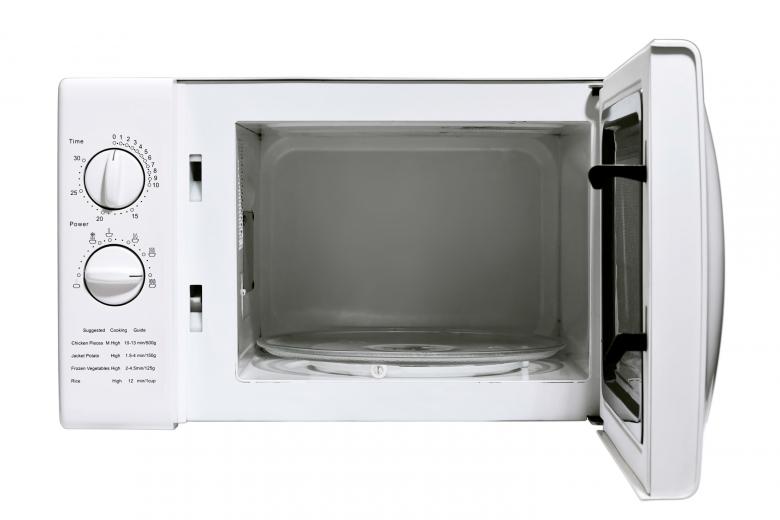
In the landscape of modern kitchen appliances, few are as ubiquitous, as used-and-abused, and as quietly revolutionary as the microwave oven. It sits on countertops worldwide, a humble box of plastic and glass, often taken for granted until the moment you need to reheat yesterday’s coffee or pop a bag of popcorn. Yet, its journey from a World War II radar component to a cultural icon is a story of serendipity, consumer skepticism, and ultimate domestication—a story that fundamentally altered our relationship with food, time, and convenience.
The birth of the microwave was, literally, an accident. In 1945, Percy Spencer, an engineer working for Raytheon on magnetrons (high-powered vacuum tubes that generate radar waves), noticed something peculiar. While testing a new magnetron, a candy bar in his pocket began to melt. Intrigued, he experimented further, directing the microwave radiation at a kernel of popcorn, which promptly popped, and then an egg, which (less successfully) exploded. Spencer had discovered that microwave radiation, at a specific frequency, could agitate water, fat, and sugar molecules within food, generating heat rapidly and from the inside out. By 1947, Raytheon launched the “Radarange,” a behemoth that stood nearly six feet tall, weighed over 750 pounds, cost about $5,000 (over $60,000 today), and required water-cooling. It was a machine for restaurants and railways, not homes.
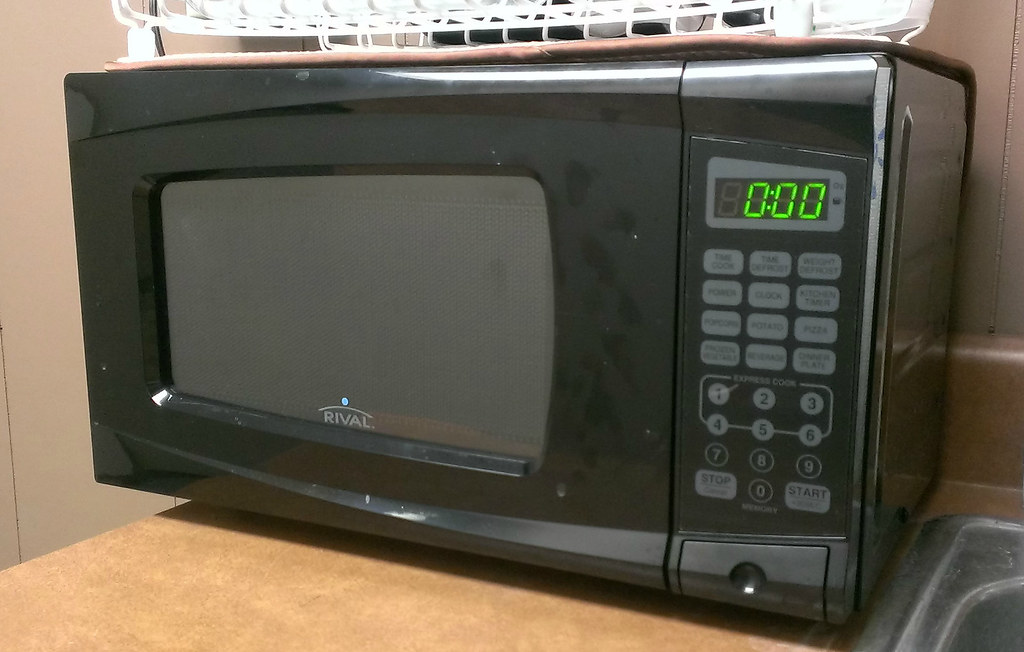
The path to the countertop was a slow burn. Early models were expensive, large, and viewed with deep suspicion. Concerns swirled around safety—would these mysterious “radar” waves give you cancer or cause sterility? (The FDA’s 1971 radiation emission standards, still in place today, firmly put those fears to rest, setting limits far below harmful levels). There was also a culinary prejudice: microwave cooking was seen as inferior, fit only for defrosting or reheating, producing soggy textures and unevenly cooked meals. Marketing campaigns in the 1960s and 70s had to work hard to convince the American housewife that this strange device belonged in her kitchen, touting it not as a replacement for the conventional oven, but as a miraculous time-saver.
And save time it did. This was the microwave’s true revolution. It decoupled meal preparation from the slow, predictable thermal processes of conventional ovens and stovetops. It introduced the concept of cooking in minutes, even seconds. The microwave didn’t just change how we cooked; it changed when we ate. It enabled the fragmentation of the family meal, allowing individuals to eat on their own schedules. It empowered a new wave of convenience foods—the TV dinner evolved into the microwaveable tray, and soon shelves were stocked with single-serving soups, pasta dishes, and desserts, all designed for the unique (and often challenging) heating properties of the microwave.
Its influence permeated culture. It became the dorm-room essential, the office kitchen stalwart, and the busy parent’s secret weapon. Language adapted: “nuking” food entered the lexicon. It spawned iconic products like microwave popcorn, transforming movie night. Yet, its reputation as a “non-cooking” appliance persisted. Chefs dismissed it, and culinary purists lamented its role in the decline of “real” cooking. This criticism, while not entirely unfounded for certain foods, overlooked the microwave’s genuine culinary virtues. Used properly, it is a master of steaming vegetables to crisp-tender perfection, melting butter and chocolate without a double-boiler, cooking fish fillets with remarkable moisture, and even making a shockingly good scrambled egg or mug cake in minutes.
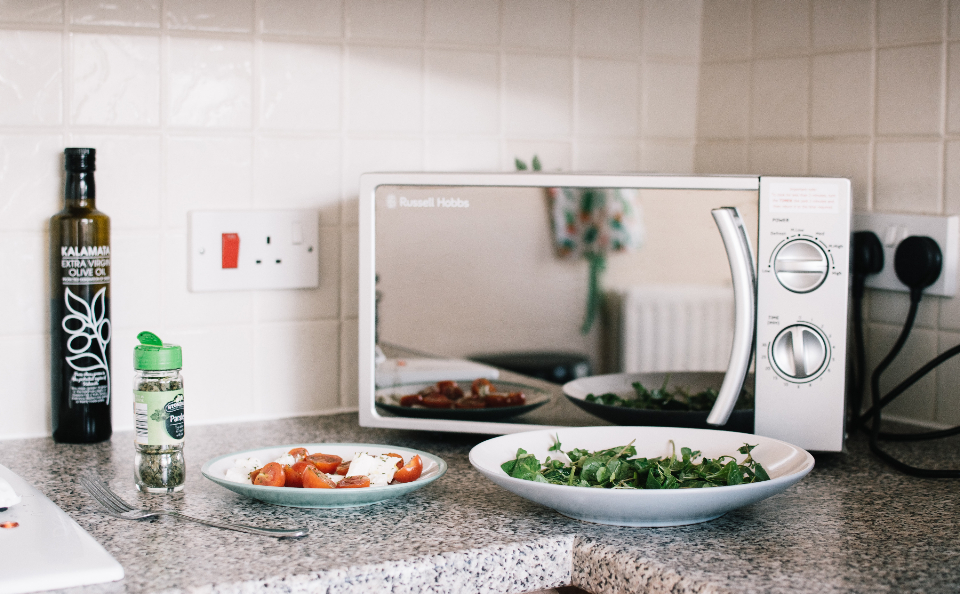
The modern microwave is a study in refined simplicity. While high-end models boast convection capabilities, sensor cooking, and inverter technology for more precise power delivery, the basic principle remains Spencer’s. Its efficiency is unparalleled: it heats the food, not the air around it or the container it’s in (as long as that container is microwave-safe). This makes it remarkably energy-efficient compared to heating a full-sized oven. Its design has become minimalist, a seamless block of digital controls and a turntable, a far cry from the Radarange’s industrial heft.
Today, the microwave faces new challenges and reflections. The rise of the foodie culture and the “slow food” movement stands in philosophical opposition to its core promise of instantaneity. Air fryers and multi-cookers now vie for precious counter space, promising crisper textures and more versatile “real” cooking. Yet, the microwave endures. Why? Because it solves a fundamental, daily problem with unmatched speed and simplicity. In a world where time is the ultimate luxury, the three-minute reheating of leftovers, the one-minute oatmeal, or the 90-second steamed bag of broccoli retains immense value. It is the ultimate pragmatist’s tool.
The microwave oven is a testament to unintended consequences. A tool of war repurposed for domestic life, it reshaped food manufacturing, rewired our expectations for meal prep, and carved out a permanent niche in the heart of our homes. It is not a gourmet chef, nor was it ever meant to be. It is a liberator of minutes and a facilitator of convenience in a hectic world. We may not always cook with it, but we inevitably live with it. Its quiet hum is the sound of modernity in the kitchen—a promise that, no matter how busy we are, a hot meal is always just a few buttons and a chorus of beeps away. In its relentless efficiency, the humble microwave remains, quietly and undeniably, revolutionary.