

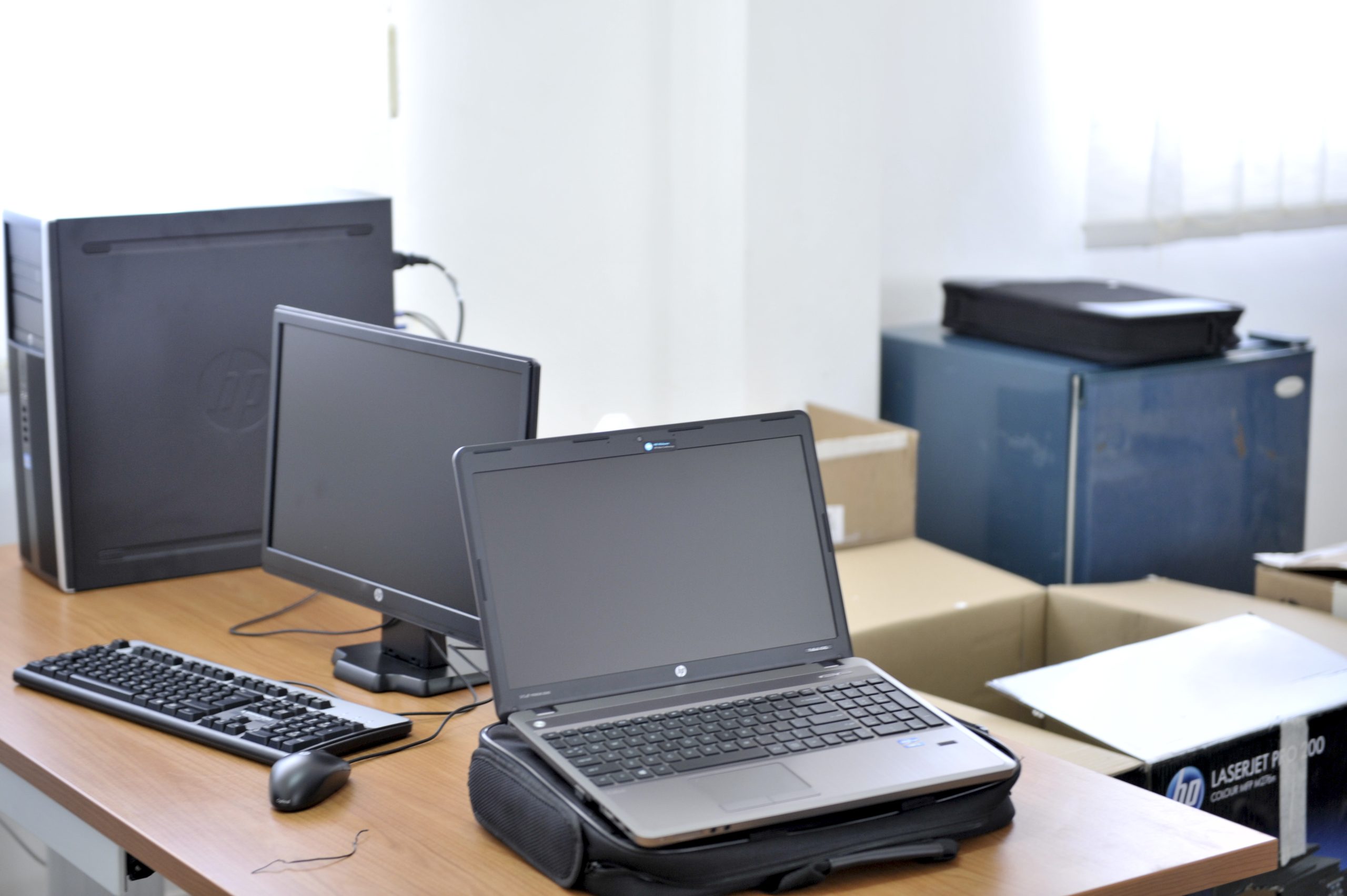
In the digital age, the computer is our portal to work, creativity, and connection. Yet, when standing at the crossroads of purchase, a fundamental question arises: laptop or desktop PC? This isn’t merely a choice between two types of machines; it’s a decision about lifestyle, priority, and how you interact with technology. While convergence has blurred some lines, a significant chasm still separates these two computing pillars. Understanding their core differences is key to investing in the tool that truly fits your life.
The Unbeatable Proposition: Portability and Form Factor
The most glaring and decisive difference is, of course, mobility. A laptop is an all-in-one testament to compact engineering, integrating the computer, display, keyboard, and pointing device into a single, battery-powered unit. It is the digital nomad’s lifeline, the student’s library companion, and the remote worker’s mobile office. Its value is measured in freedom—the ability to compute from a café, present in a conference room, or relax with a movie in bed.
The desktop PC, in contrast, is an anchor. It is a stationary system, typically composed of a separate tower (the system unit), monitor, keyboard, and mouse. This immobility is its foundational strength, allowing for a different set of advantages. The traditional tower case provides abundant space for airflow and expansion, setting the stage for the desktop’s next great advantage: raw, unbridled power.
Performance and Power: The Throne vs. The Road Warrior
When it comes to achieving maximum performance, the desktop PC reigns supreme. Unconstrained by tight thermal limits or battery life, desktops can house full-sized, high-wattage components. This means top-tier graphics cards (GPUs) for cutting-edge gaming, 3D rendering, and AI work; powerful multi-core processors (CPUs) that don’t throttle under sustained load; and generous, fast RAM. They can also utilize more effective (and sometimes quieter) cooling solutions, like large air coolers or liquid cooling systems, ensuring components run faster for longer.
Laptops, by necessity, prioritize efficiency over raw might. Their components are miniaturized (often soldered directly to the motherboard) and operate at lower power limits to manage heat in a confined space and preserve battery. While modern gaming laptops and mobile workstations are astonishingly powerful—capable of feats that would have required a desktop a few years ago—they do so at a premium price and often with compromises in noise, heat, and battery life under heavy load. For the ultimate in 4K gaming, professional video editing, or complex scientific computation, a desktop will always offer more headroom and better value per dollar.
Upgradability and Longevity: The Evolving System vs. The Sealed Unit
This is perhaps the most critical long-term consideration. The desktop PC is a fortress of customizability and upgradability. You can start with a modest system and, over time, swap out the graphics card, add more RAM, install additional storage drives, or even upgrade the CPU and motherboard. This modularity extends its functional lifespan to 5-10 years, with incremental investments keeping it current.
The modern laptop, however, is increasingly a sealed ecosystem. While some models still offer accessible slots for RAM and storage (M.2 SSDs), the trend is toward soldered components. The CPU and GPU are almost never upgradable. This means the laptop you buy today is largely the laptop you will have in three years. Its lifespan is more fixed, bounded by its original specifications and the inevitable degradation of its non-removable battery. When a desktop part fails or becomes obsolete, you replace the part. When a key component in a laptop fails, you often face a costly repair or replacement of the entire machine.
Ergonomics, Repairability, and Cost
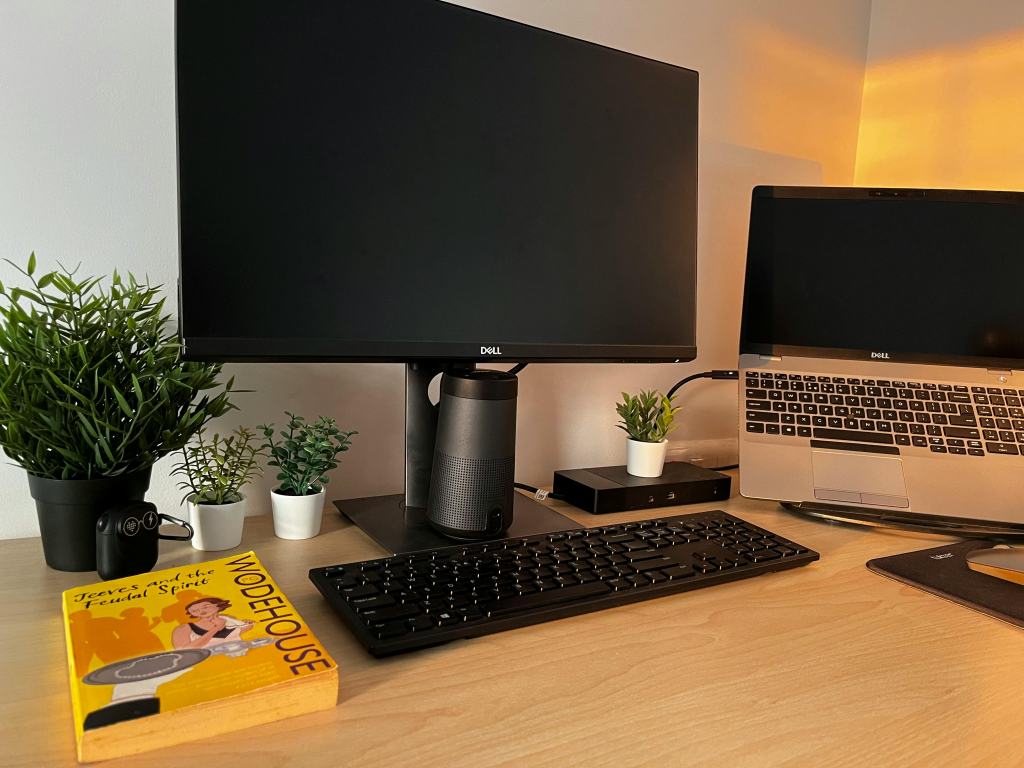
Ergonomics: A desktop setup is inherently more ergonomic. You can choose a monitor at the perfect height and distance, a keyboard that suits your typing style, and a mouse that fits your hand. This is vital for preventing strain during long work sessions. A laptop’s fixed screen and keyboard compel you to adapt to it, often leading to hunched postures. While you can connect a laptop to external peripherals (effectively turning it into a desktop), this negates its portability advantage.
Repairability: Desktops win hands down. Standardized parts, ample space, and clear documentation make troubleshooting and repairs far easier for enthusiasts and professionals. Laptop repair is a specialized field, often requiring proprietary tools and parts. The industry’s move toward glued-together chassis and integrated components has drawn criticism from right-to-repair advocates, making user servicing difficult.
Cost Efficiency: At any given performance tier, a desktop PC will almost always be less expensive than an equivalently performing laptop. You pay a significant premium for the engineering required to miniaturize and integrate components into a portable, battery-powered package. For a budget-conscious user who needs maximum power, the desktop is the unequivocal value champion.

The Verdict: It’s About Your Ecosystem
The choice between a laptop and a desktop is no longer about which one is “better,” but about which one is better for you.
Choose a Laptop if: Your life demands mobility. You are a student, a frequent traveler, someone with limited space (a small apartment), or a hybrid worker who needs a single device to function in multiple locations. You value a clean, all-in-one solution and are willing to trade peak performance and long-term upgradability for the freedom to work or play anywhere. For many, the laptop is not just a computer; it is their primary computer.
Choose a Desktop PC if: You have a dedicated workspace and prioritize performance, value, and longevity. You are a hardcore gamer, a creative professional (video editor, animator, music producer), a streamer, or a hobbyist who enjoys building and tinkering. You want a system that can grow with your needs and offers a superior, ergonomic experience for marathon sessions. The desktop is a powerhouse investment, a stationary command center for serious digital endeavors.
Increasingly, the ideal solution for many is not an either/or but a both. A powerful desktop PC serves as the primary workhorse at home, handling demanding tasks in a comfortable, cool, and upgradeable environment. A more modest, lightweight laptop complements it for mobility, handling lighter work on the go and syncing seamlessly with the desktop via the cloud. This hybrid approach leverages the strengths of both worlds.
In the end, the laptop is an exercise in convergence and convenience—a marvel of portable integration. The desktop PC is a testament to power, personalization, and permanence. Your decision hinges on a simple question: Do you need your computer to adapt to your location, or can you adapt your location to your computer? The answer will guide you to the perfect digital companion.