

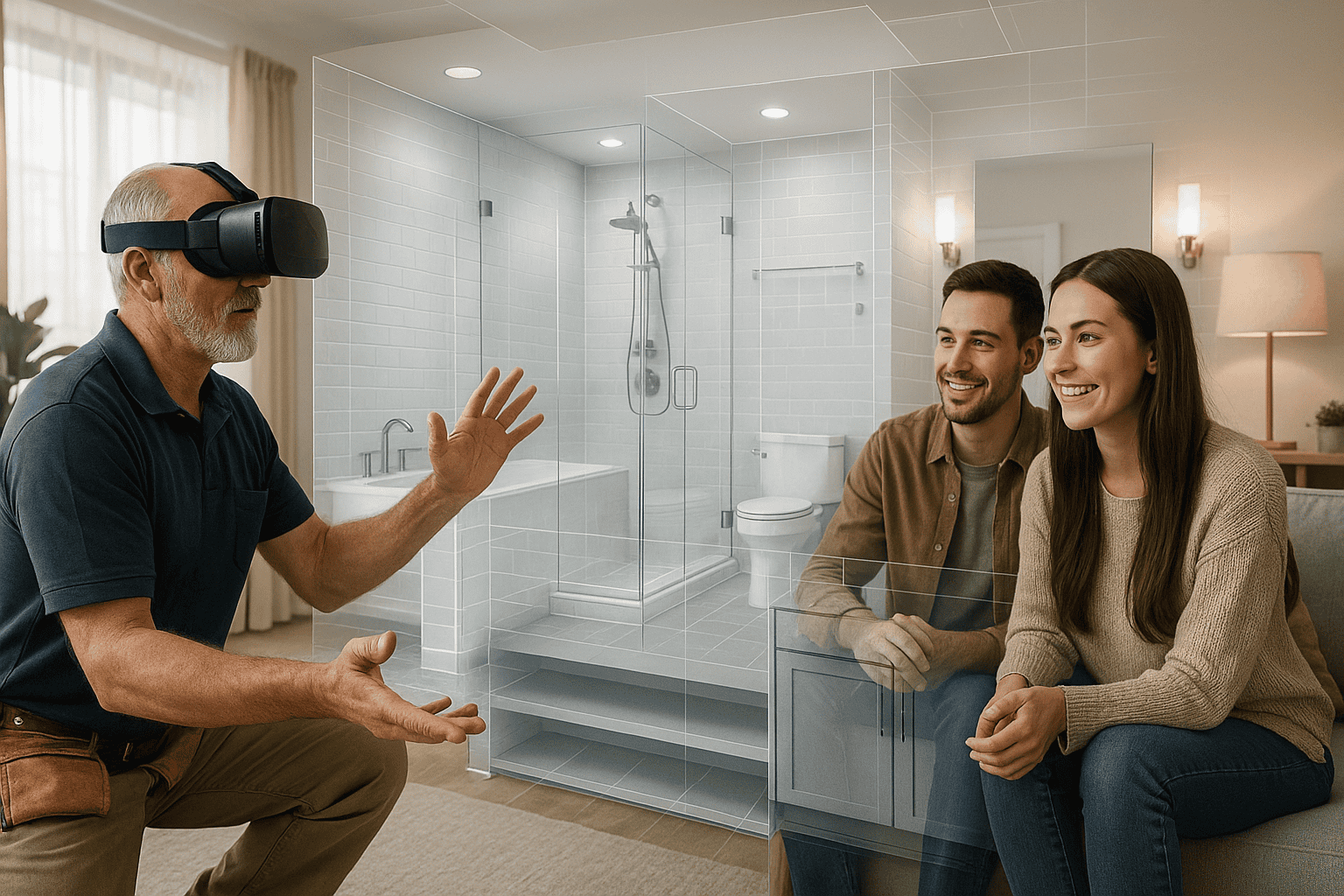
In an age where the boundaries between the digital and physical worlds are increasingly porous, two technologies stand at the forefront of this convergence: Augmented Reality (AR) and Virtual Reality (VR). Often mentioned in the same breath, they represent fundamentally different philosophies of human-computer interaction. While both aim to enhance our experience, one seeks to build a new world, and the other strives to annotate our existing one. Understanding their distinct mechanics, applications, and implications is key to grasping the future of immersive technology.
The Core Philosophy: Augmentation vs. Immersion
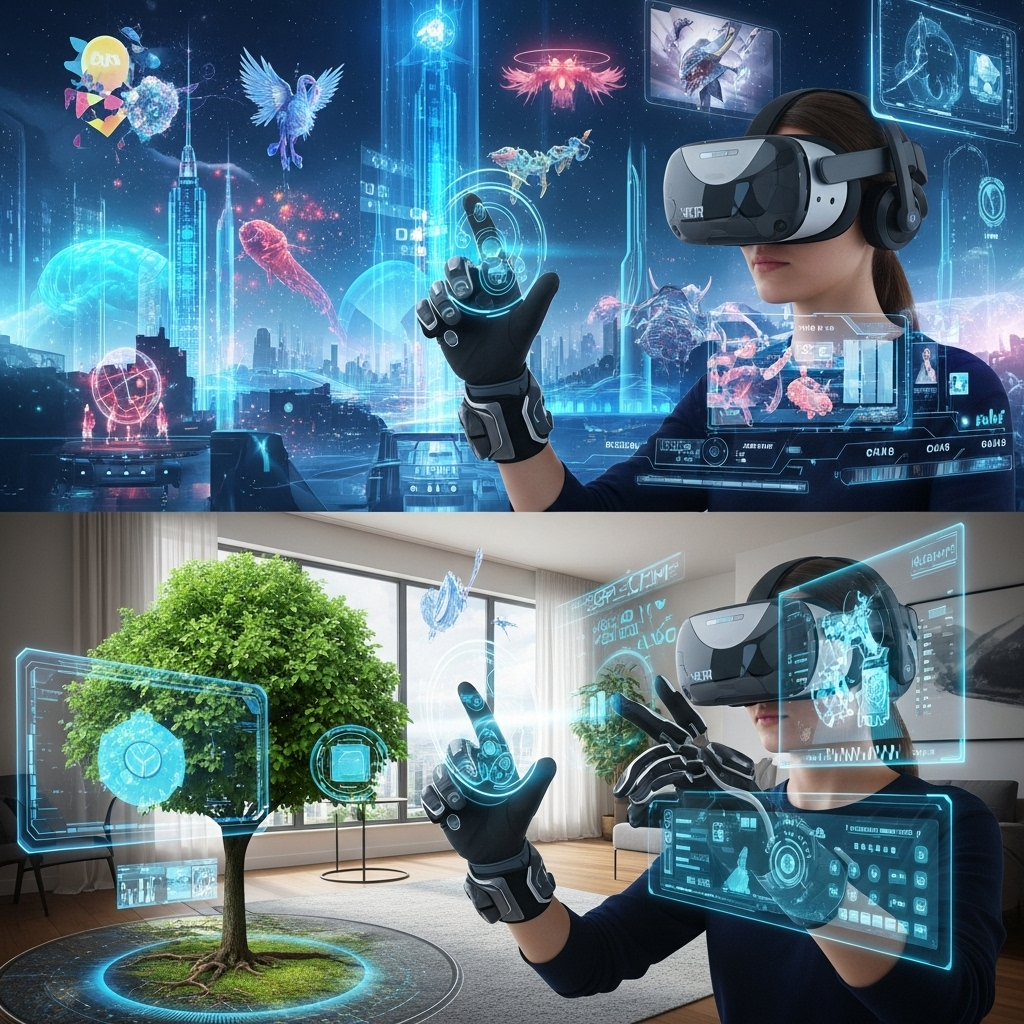
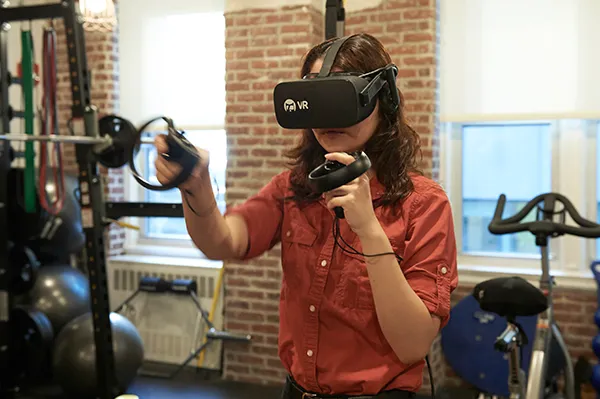
At its heart, Virtual Reality (VR) is an exercise in substitution. It replaces your physical environment with a completely digital, computer-generated simulation. By donning a headset like the Meta Quest 3 or Valve Index, you are visually and acoustically transported to another place—be it the surface of Mars, a fantastical game world, or a virtual boardroom. The goal is total sensory immersion, often employing motion tracking and handheld controllers to make your physical movements correspond to actions within the virtual space. In its purest form, VR seeks to make you forget the room you’re standing in.
Conversely, Augmented Reality (AR) operates on a principle of addition. It layers digital information—images, data, 3D models—onto your real-world view. Rather than replacing your environment, it enhances it. This can be achieved through smartphone screens (like Pokémon GO), through specialized glasses (like Microsoft HoloLens or newer consumer smart glasses), or even via windshield displays in cars. AR uses cameras and sensors to understand the geometry of your surroundings, “placing” digital objects within them as if they were physically present. Its goal is contextuality, providing relevant data exactly where and when you need it.
The Technological Divide: Headsets, Hardware, and Interaction
This philosophical split drives a significant technological divergence. VR systems are typically “closed.” They require powerful, self-contained processing to render complex, believable worlds at high frame rates to prevent motion sickness. This means dedicated headsets with internal displays, advanced optics, and often external sensors or base stations for precise tracking. User interaction is entirely mediated through digital avatars and controllers, creating a closed loop between the user and the simulation.
AR technology, in its pursuit of blending worlds, faces a unique challenge: it must understand the real world in real-time. This requires robust computer vision, depth-sensing cameras (like LiDAR), and simultaneous localization and mapping (SLAM) algorithms to map surfaces and anchor objects. Hardware ranges from the ubiquitous smartphone, which uses its camera as a viewfinder, to sophisticated “see-through” glasses that project light onto transparent lenses. Interaction can be more intuitive—tapping a screen, using hand gestures, or simply moving around a digital object placed on your coffee table.
Applications: Different Tools for Different Realities
The practical applications of AR and VR highlight their complementary, rather than competing, roles.
VR excels in domains where complete control of the sensory environment is beneficial:
- Training & Simulation: Pilots, surgeons, and soldiers train in high-fidelity, zero-risk virtual environments.
- Immersive Entertainment: Gaming is the most obvious example, but also virtual concerts, cinema, and narrative experiences.
- Remote Collaboration & Design: Architects and engineers can walk through full-scale 3D models of buildings before ground is broken; teams can meet as avatars in a shared virtual office.
- Therapy & Exposure: Used for treating phobias, PTSD, and anxiety by providing controlled, gradual exposure to triggers.
AR shines in scenarios where enhancing real-world tasks with contextual information creates efficiency or insight:
- Industrial Maintenance & Repair: Technicians can see schematics overlaid on machinery, with step-by-step instructions highlighting specific components.
- Retail & Try-Before-You-Buy: Visualize how a sofa will look in your living room or how a pair of glasses fits your face.
- Navigation: Arrow overlays on live street views, or maintenance information superimposed on an aircraft engine.
- Education: Textbooks come alive with 3D models of the human heart or historical battles playing out on a desk.
The Blurring Line: Mixed Reality and the Future
The distinction is not always rigid. The spectrum between the real and virtual is often described as the “virtuality continuum.” Mixed Reality (MR) sits between the two poles, describing experiences where digital and physical objects co-exist and interact in real-time. A virtual character that jumps onto your real couch, or a CAD model you can walk around and disassemble on your actual workshop table, are MR experiences. Advanced headsets like the Apple Vision Pro and Meta Quest Pro are increasingly blurring the line, offering “passthrough” VR that uses cameras to feed the real world into the headset, effectively creating a high-fidelity AR/MR experience.
Challenges and Human Impact
Both technologies face hurdles. VR struggles with social isolation, potential for addiction, and the physical discomfort of “cybersickness.” AR grapples with serious privacy concerns (constant environmental scanning), social awkwardness of wearing devices, and the potential for dangerous distraction in everyday settings.
Their societal impact will be profound. VR could revolutionize how we socialize, work, and escape, challenging our very notions of presence and place. AR has the potential to become the next major computing platform, replacing smartphones as our primary interface with the digital layer of the world, fundamentally changing how we learn, shop, and interact with information.
Conclusion: Complementary Visions
In essence, Virtual Reality is a destination. It is a tool for transportation, offering escapes, deep training, and experiences untethered from physical limits. Augmented Reality is a guide. It is a tool for annotation, enhancing our perception and efficiency within the world we already inhabit.
One is not better than the other; they are different instruments for different tasks. As the underlying technology matures and converges, the most compelling future may not be a choice between AR or VR, but a fluid blend of both—a world where we can slip into fully immersive realities when needed, and then return to a physical world richly enhanced and interconnected by a persistent, helpful digital layer. The journey beyond the screen has just begun, and it leads in two equally transformative directions.