

In the modern kitchen, two countertop champions often vie for space and purpose: the ubiquitous microwave and the trendy air fryer. While both promise to deliver meals with speed and convenience, they operate on fundamentally different principles and yield vastly different culinary results. Choosing between them isn’t just about picking an appliance; it’s about defining your cooking style, prioritizing texture, and understanding the science behind your supper. This deep dive explores the core differences to help you decide which—or perhaps both—deserves a spot on your counter.
The Core Technology: Reheating vs. Recreating
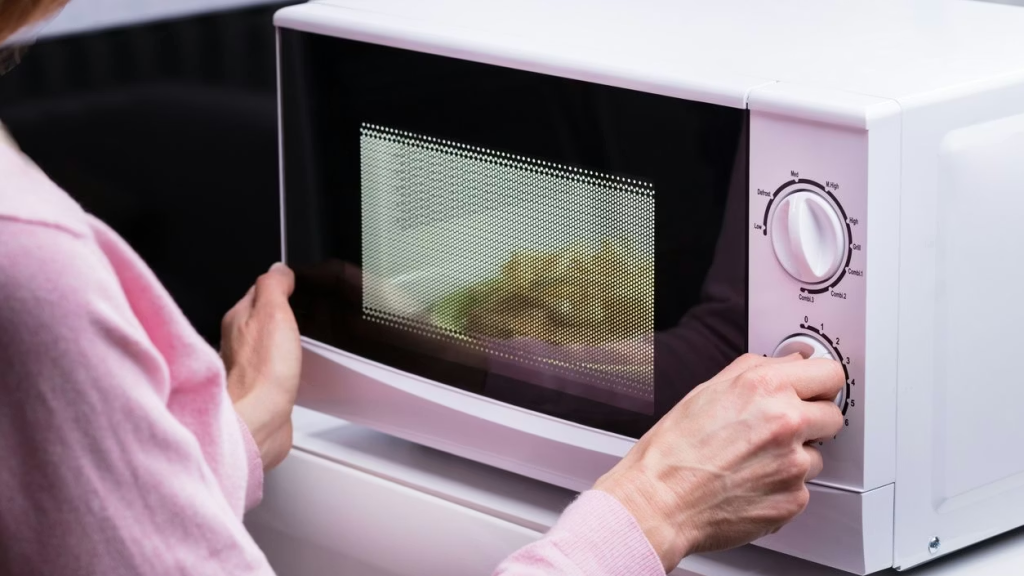
At its heart, the microwave is a reheating and rapid-cooking powerhouse that uses electromagnetic radiation. These microwaves penetrate food, causing water molecules within to vibrate furiously, generating heat from the inside out. This is why a microwave can reheat leftovers in minutes or “bake” a potato in a fraction of the oven’s time. Its greatest strength is speed and efficiency with moisture. However, this same mechanism is its weakness for achieving crispness. By exciting water molecules, it can make things soggy (think of microwaved pizza) and is incapable of browning or caramelizing food, as it doesn’t employ dry, ambient heat.
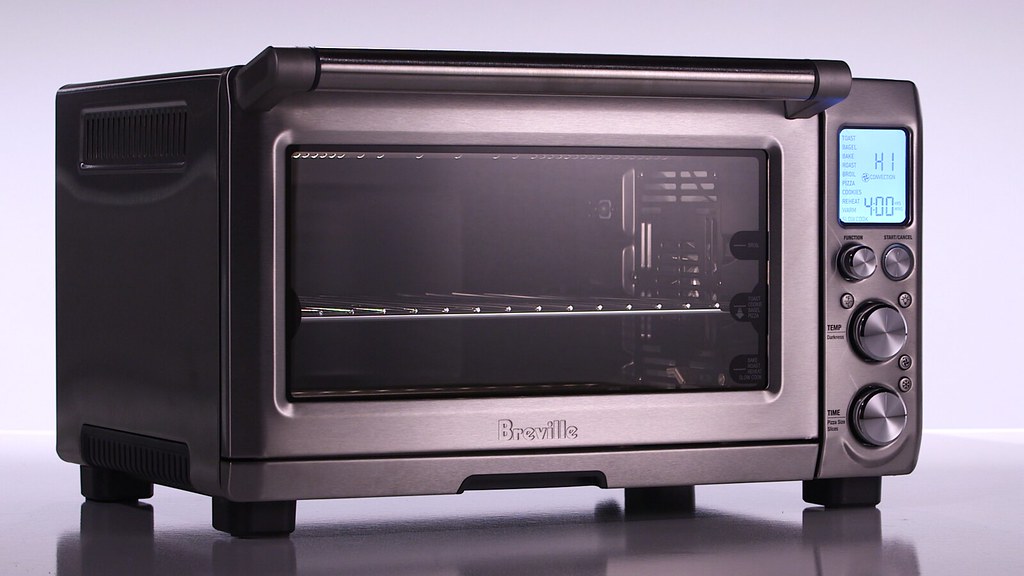
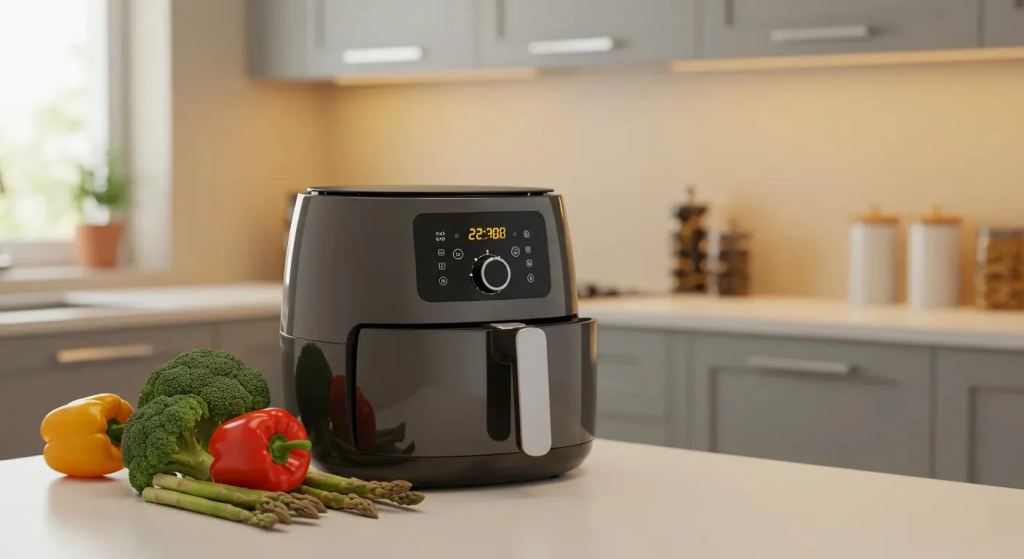
The air fryer, despite its name, doesn’t actually fry. It’s a compact, turbo-charged convection oven. A powerful fan circulates superheated air at high speeds around the food basket. This creates a Maillard reaction—the chemical process responsible for browning and the complex, savory flavors associated with grilling, roasting, and, yes, frying. The rapid air flow also cooks food quickly while evaporating surface moisture, leading to a crispy, golden-brown exterior. Its mission is to mimic the texture of deep-frying with a fraction of the oil.
Texture & Culinary Output: Soggy vs. Crispy
This is the most dramatic point of divergence.
- Microwave Texture: Best for foods where moisture retention is key. It excels at reheating soups, stews, and sauces without separation. It can steam vegetables, cook oatmeal, or melt butter beautifully. However, any food meant to be crispy—french fries, chicken wings, spring rolls—will emerge limp, rubbery, or chewy. It softens textures rather than enhances them.
- Air Fryer Texture: The undisputed champion of crisp. It transforms frozen fries, chicken tenders, and leftover pizza into crunchy delights. It can roast vegetables with caramelized edges, “fry” chicken with a satisfying bite, and even bake small batches of cookies with a nice texture. The outcome is far closer to traditional oven or fryer results, offering a satisfying mouthfeel that microwaves simply cannot.
Speed & Efficiency: Pure Speed vs. Cooking Time
The microwave wins the raw speed race for reheating. Warming a plate of pasta takes 1-2 minutes. However, its “cooking” can be uneven and often requires standing time for heat to distribute.
The air fryer is generally faster than a traditional oven (thanks to its concentrated space and rapid air circulation) but is often slower than a microwave for simple reheating tasks. Preheating is usually required (though some models are very fast), and cooking a batch of frozen fries takes 10-20 minutes. Yet, it achieves in 15 minutes what an oven might take 40 minutes to do, making it a time-saver for cooking from raw or frozen when texture matters.
Health Considerations: Nutrition Retention vs. Fat Reduction
The health debate is nuanced.
Microwaves have a strong case for nutrient retention. Because they cook food so quickly and with minimal added liquid, water-soluble vitamins like Vitamin C and B vitamins can be better preserved compared to boiling or long simmering. Their health impact is primarily about how you use them—reheating whole foods is fine, but living off processed microwave meals is not.
Air fryers promote health by enabling you to achieve “fried” textures with 70-80% less oil than traditional deep-frying. This significantly reduces calorie and fat intake. They are excellent for creating healthier versions of typically indulgent foods. However, “air-fried” is not automatically “healthy”; breading and heavy marinades still add calories, and the appliance is often used for processed frozen foods.
Versatility & Best Uses
- Microwave Best For: Reheating leftovers, steaming vegetables, popping popcorn, melting butter/chocolate, boiling water, cooking baked potatoes quickly, defrosting meat.
- Air Fryer Best For: “Frying” frozen snacks (fries, nuggets, egg rolls), making crispy chicken wings, roasting vegetables, reheating fried foods to restore crispness, baking small portions (like a single salmon filet or a few cookies), toasting nuts.
Space, Cost, and Cleanup
Microwaves range from basic $50 models to high-end over-the-range units. They are often integrated into kitchens. Cleaning is straightforward—wipe out the interior.
Air fryers are bulky countertop appliances. Prices range from $60 for small basic models to $300+ for multi-function “oven” styles. Cleanup can be more involved, as the basket and pan often have textured surfaces prone to sticking and require washing after each use (many are dishwasher safe).
The Verdict: It’s Not an Either/Or, But a “Why”
The choice between a microwave and an air fryer isn’t about which is universally better; it’s about what you value in your daily cooking.
Choose a Microwave if: Your primary need is ultra-fast reheating, defrosting, and simple cooking with minimal fuss. You prioritize convenience and speed over texture, and you don’t have the space or desire for another large appliance.
Choose an Air Fryer if: You crave crispy, “fried,” or roasted textures without the guilt of deep-frying. You cook small batches of protein and veggies frequently and want an oven alternative that’s faster and more energy-efficient. You’re willing to trade a bit of time and counter space for superior culinary results on specific foods.
For the well-equipped kitchen, they serve as powerful complementary tools. Use the microwave to quickly reheat yesterday’s chili or steam broccoli, and use the air fryer to crispen up some tofu or cook frozen appetizers for game night. Together, they cover a massive range of modern cooking needs: one masters the art of speed and moisture, the other the science of crisp and browning. In the end, understanding their fundamental differences allows you to harness each for what it does best, turning your kitchen into a more efficient and delicious workspace.