

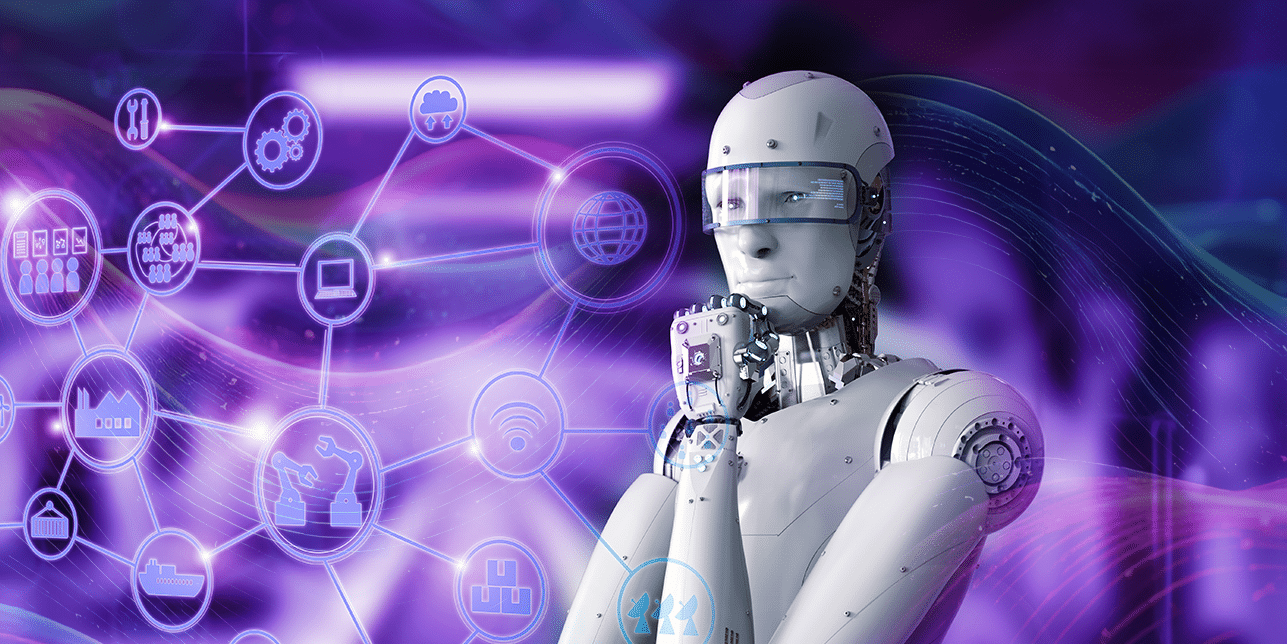
We stand at the precipice of the most significant transformation of the workplace since the Industrial Revolution. This shift is not driven by steam or steel, but by algorithms and data. Artificial Intelligence (AI) is no longer a speculative technology of science fiction; it is a present-day toolset rapidly integrating into the fabric of our professional lives. The change it heralds is not merely about doing old tasks faster, but about fundamentally reimagining the nature of work itself—the tasks we perform, the skills we value, and the very structure of our collaboration.
At its most immediate level, AI is acting as the ultimate productivity amplifier by automating the routine and augmenting the complex. Repetitive, rules-based tasks—data entry, invoice processing, scheduling, preliminary customer service queries—are being seamlessly handled by intelligent systems. This liberation from administrative tedium is perhaps the most widely anticipated change. However, the more profound evolution lies in augmentation. AI tools are becoming co-pilots for knowledge workers: an architect can use generative design algorithms to explore thousands of structural options; a lawyer can employ natural language processing to review millions of documents in minutes; a marketer can leverage predictive analytics to tailor campaigns with unprecedented precision. The human role shifts from executor to strategist, from processor to interpreter, and from doer to decision-maker.
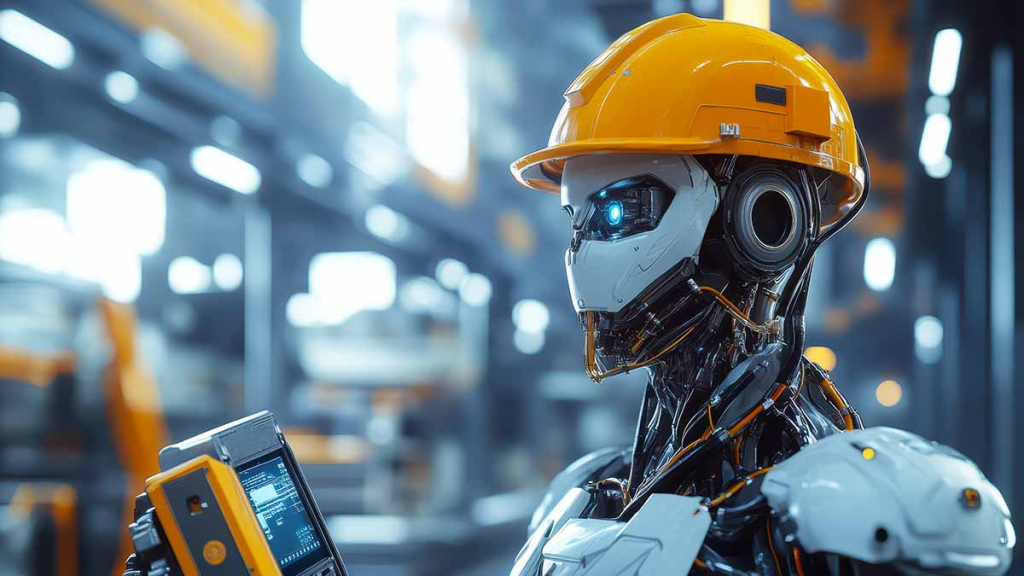
This evolution necessitates a parallel revolution in the currency of the future workforce: skills. The demand for routine cognitive and manual skills will decline, while the value of distinctly human capabilities will skyrocket. We will see the rise of what economists call “hybrid jobs,” roles that blend technical knowledge with soft skills. Critical thinking will be paramount to interrogate AI-generated insights and avoid “automation bias.” Creativity and complex problem-solving will be irreplaceable, as machines excel within parameters but struggle with truly novel, undefined challenges. Emotional intelligence, empathy, and social persuasion—the bedrock of leadership, sales, care, and negotiation—remain firmly human domains. Furthermore, a new meta-skill emerges: “AI literacy.” This does not mean every employee must become a data scientist, but rather that they must understand how to effectively collaborate with AI—how to frame prompts, interpret outputs, and understand the tool’s limitations and biases.
The very architecture of organizations and teams is poised for change. Hierarchical structures, optimized for the flow of information upward and decisions downward, may become cumbersome. AI enables flatter, more agile networks where information is democratized and actionable insights are available at all levels. Teams will likely become more fluid, assembling around projects with AI as a core team member, and dissolving just as quickly. This could democratize opportunity, allowing talent from anywhere in the world to contribute meaningfully. However, it also presents challenges for company culture, cohesion, and career progression, which have traditionally been tied to stable, linear paths within a single organization.
Of course, this transformation is not without its profound challenges and ethical dilemmas. The specter of job displacement is real for certain roles, necessitating serious investment in reskilling and lifelong learning infrastructures. The transition may exacerbate inequality if access to AI tools and the education to use them is not widely distributed. Furthermore, we must grapple with issues of bias embedded in training data, transparency in algorithmic decision-making (the “black box” problem), and data privacy. The workplace of the future must be built on a foundation of robust ethical guidelines and governance to ensure AI acts as a force for equitable empowerment, not surveillance or discrimination.
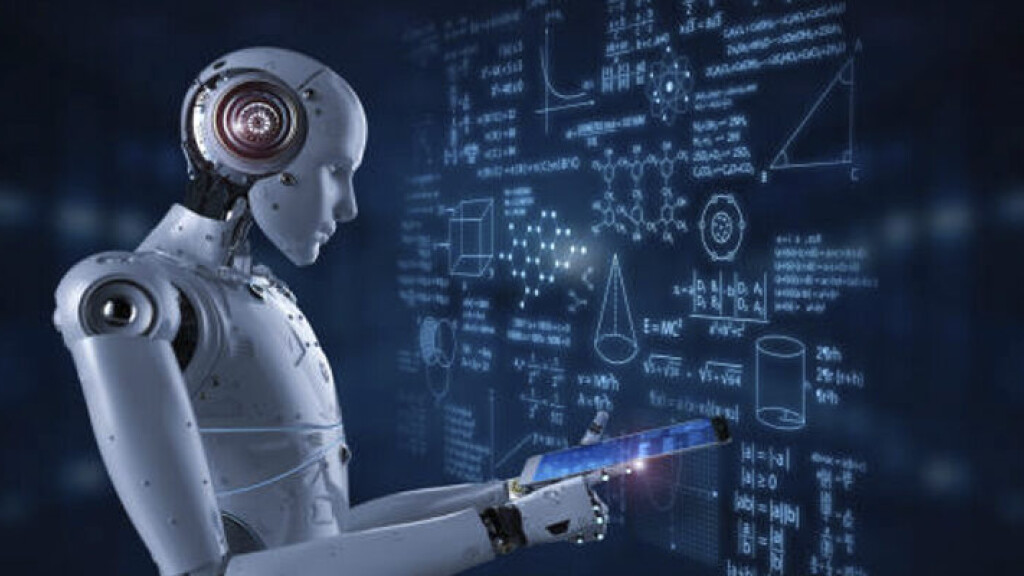
Perhaps the most significant philosophical shift will be in redefining human purpose at work. As AI assumes more of the “what,” humans can focus more on the “why.” Work could become more fundamentally human-centric. In healthcare, AI may handle diagnostics, freeing doctors for empathetic patient care. In education, it could manage grading, allowing teachers to mentor and inspire. The ultimate promise is not a jobless future, but a future where work is stripped of its most mundane aspects, allowing us to focus on connection, innovation, strategy, and creativity—the things that truly give our labor meaning.
In conclusion, artificial intelligence will not so much change the way we work as it will change why we work. It is dismantling the old paradigm of labor as a series of repetitive tasks and constructing a new one where human intuition, ethics, and creativity are the premium commodities. The transition will be disruptive and require careful navigation, demanding proactive policy, corporate responsibility, and individual adaptability. The goal is not to compete with AI, but to synergize with it. The future of work belongs not to humans or machines alone, but to the collaborative potential of both, forging a new partnership that elevates our collective capacity and allows us to tackle the grand challenges of our age with unprecedented intelligence and humanity.