

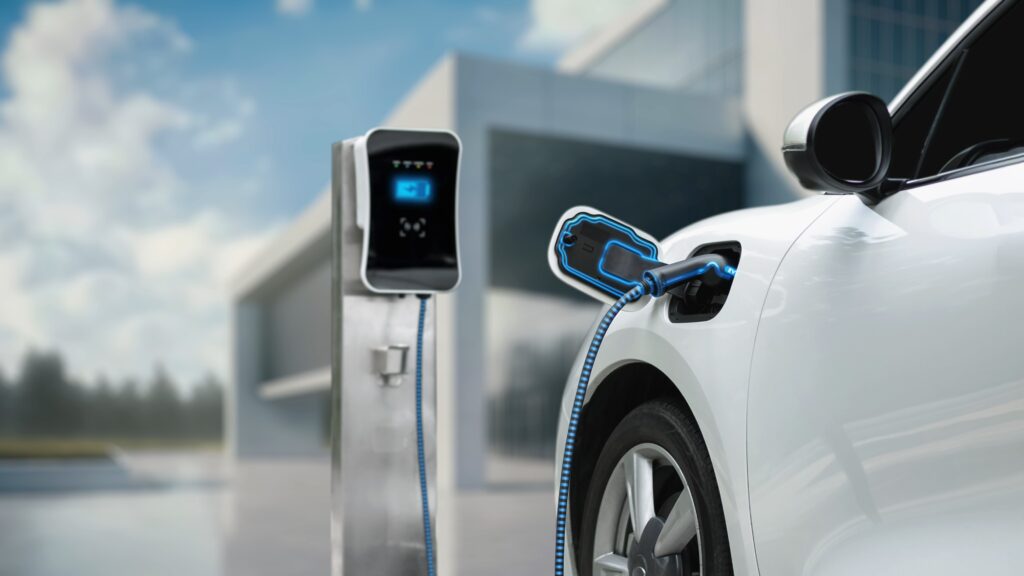
The automotive landscape is undergoing its most significant transformation since the Model T first rolled off the assembly line. At the heart of this shift is a fundamental choice: the internal combustion engine, powered by gasoline, or the electric motor, powered by a battery. The debate between electric vehicles (EVs) and gasoline cars is not merely about different fuel types; it’s a comparison of distinct technologies, philosophies, and visions for the future of transportation. Understanding the differences requires a deep dive into performance, cost, environmental impact, convenience, and the overall ownership experience.
The Heart of the Machine: Powertrain and Performance
The most profound difference lies under the hood. A gasoline car is a masterpiece of mechanical complexity. It burns fuel in cylinders to create controlled explosions, which move pistons, turn a crankshaft, and ultimately drive the wheels through a multi-gear transmission. This process involves hundreds of moving parts and generates significant heat and vibration.
An electric car, by contrast, is a study in elegant simplicity. Its electric motor converts electrical energy directly into motion, delivering instant torque to the wheels. With far fewer moving parts (often fewer than 20 in the motor itself), EVs operate silently and smoothly. This translates to a radically different driving feel.
In terms of performance, EVs hold a decisive edge in acceleration. The instant torque available from zero RPM means even modestly priced EVs can feel startlingly quick off the line. Gasoline cars require engine revs to build, and power is delivered through a band, often requiring gear shifts. For sheer, seamless thrust, the EV wins. However, for sustained high-speed performance and the sensory, engaging experience of engine notes and gear changes—a ritual cherished by many enthusiasts—the gasoline car remains the emotional choice.
The Fuel Question: Energy, Cost, and Infrastructure
Refueling versus recharging defines a key aspect of daily convenience. Gasoline cars enjoy the advantage of a century-old, ubiquitous infrastructure. Filling a tank takes five minutes, and gas stations are everywhere, enabling long-distance travel with minimal planning.
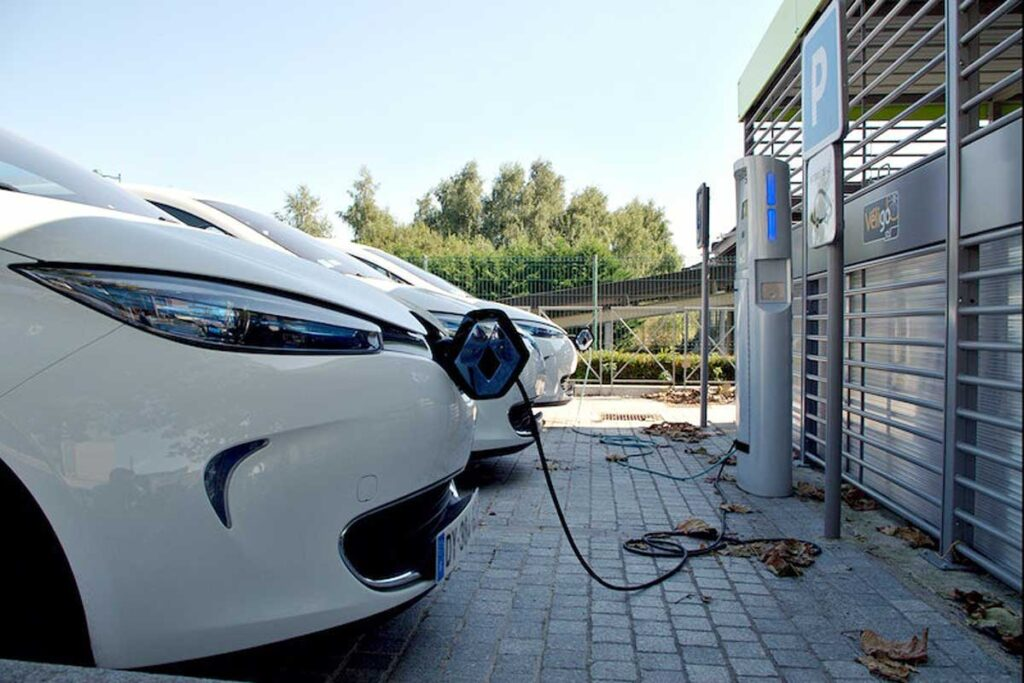
Charging an EV is a more paradigm-shifting process. For daily use, “refueling” happens at home or work, plugging in overnight or during the day. This eliminates trips to the gas station entirely, offering profound convenience for commuters. The cost per mile is dramatically lower; electricity is cheaper than gasoline, and EVs are vastly more energy-efficient, converting over 77% of electrical energy to power at the wheels, compared to 12-30% for gasoline engines.
The challenge arises with long-distance travel. While public fast-charging networks are expanding rapidly, a 20-40 minute stop to recharge to 80% is still longer than a gas stop. “Range anxiety”—the fear of running out of charge—is fading as new models routinely achieve 250-350 miles per charge, but planning is still required for cross-country journeys. The gasoline car’s superior range and rapid refueling give it an edge in flexibility for spontaneous, long-range driving.
The Economic Equation: Purchase Price vs. Total Cost
On the showroom floor, EVs typically carry a higher sticker price, a result of the cost of large battery packs. However, the Total Cost of Ownership (TCO) over five years often tells a different story. EVs have significantly lower running costs: cheaper “fuel,” reduced maintenance, and often tax incentives.
Maintenance is a stark differentiator. With no oil changes, spark plugs, timing belts, fuel filters, or complex transmissions to service, EV maintenance is mostly limited to tires, brakes (which wear slower due to regenerative braking), and cabin air filters. This can save thousands over the life of the vehicle. Gasoline cars, with their intricate engines and exhaust systems, require regular, scheduled maintenance and are susceptible to more costly repairs.
While EV battery degradation is a concern, modern batteries are designed to last the life of the car, often with warranties of 8 years/100,000 miles. The residual value of both vehicle types is still evolving, but as technology improves and consumer acceptance grows, EVs are showing stronger resale value trends.
The Environmental Impact: A Complex Calculation
This is the most contentious and crucial differentiator. Gasoline cars have a clear and direct environmental toll: tailpipe emissions. They release carbon dioxide (a major greenhouse gas), nitrogen oxides, and particulate matter directly into the local air, contributing to urban smog, health problems, and climate change.
Electric cars, by contrast, produce zero tailpipe emissions. Their environmental footprint is “upstream,” at the power plant generating the electricity. If charged from a grid powered by renewables or nuclear energy, their lifetime carbon footprint is a fraction of a gasoline car’s. However, if charged from a coal-heavy grid, their advantage shrinks, though they still generally remain cleaner due to the efficiency of large power plants and improving grid cleanliness globally.
Furthermore, EV manufacturing, particularly battery production, is currently more carbon-intensive. This creates a larger initial “carbon debt.” However, numerous studies confirm that over their lifetime—typically within 1-2 years of driving, depending on the grid—EVs “break even” and then become cleaner, surpassing gasoline cars’ lifetime emissions. As grids get greener and battery recycling improves, this advantage will only grow.
The Ownership Experience and Future-Proofing
Owning an EV often feels like using a sophisticated electronic device. They feature large touchscreen interfaces, receive over-the-air software updates that can improve performance or add features, and offer advanced driver-assistance systems as standard. The cabin is exceptionally quiet, offering a serene driving environment.
Gasoline cars offer a more traditional, tactile experience. For many, the familiarity, sound, and feel are irreplaceable. They also offer a wider variety of body styles and a vast, mature used-car market.
Looking ahead, EVs represent the future. They are the platform for advancing autonomy and connected services. Legislation in Europe, California, and other regions is setting end dates for new gasoline car sales. Choosing an EV is, in part, a bet on a technology that is being actively developed and supported by global policy.
Conclusion: A Transition, Not a Simple Choice
The choice between electric and gasoline is not a clear-cut “win” for one side. It is a personal calculation based on priorities.
Choose a Gasoline Car if: Your life requires frequent, unpredictable long-distance travel; you have limited access to home charging; you prioritize lower upfront cost on a tight budget; or you have a deep emotional connection to the mechanical artistry and sound of an internal combustion engine.
Choose an Electric Car if: Your daily driving is within its range and you can charge primarily at home or work; you want lower operating costs and minimal maintenance; you seek the fastest, smoothest acceleration; you prioritize reducing your local air pollution and carbon footprint; and you enjoy being on the cutting edge of automotive technology.
The era of the gasoline car is not over, but its dominance is unquestionably waning. The electric car is no longer a niche product; it is a viable, compelling, and increasingly superior alternative for the mainstream driver. The road ahead is electric, and for most, the journey has already begun.