

For over a century, the internal combustion engine, fueled by gasoline, has been the undisputed king of personal transportation. Its roar is the soundtrack of modern mobility. But as the imperatives of climate change and energy security grow louder, a challenger has emerged from the periodic table: hydrogen. The battle between hydrogen fuel cell electric vehicles (FCEVs) and traditional gasoline-powered cars is more than a simple fuel comparison; it’s a clash of technological paradigms, infrastructure legacy, and visions for a sustainable future.
The Combustion Champion: Gasoline’s Reign
Gasoline’s dominance is built on a foundation of formidable advantages. Its energy density is exceptionally high. One gallon of gasoline contains about 33.7 kilowatt-hours of energy, packed into a lightweight, liquid form that is relatively easy to store and transport. This translates to the familiar and convenient range of 300-400 miles per tank, achievable in minutes at a ubiquitous network of refueling stations spanning the globe.
The technology is also mature and cost-effective. Over a century of refinement has made internal combustion engines and the vehicles they power relatively inexpensive to manufacture at scale. The existing ecosystem—from oil wells and tankers to corner gas stations and local mechanics—represents a colossal, entrenched investment.
However, its flaws are now glaring. The combustion process is inherently inefficient, with only about 20-30% of the energy in gasoline actually propelling the wheels; the rest is lost as heat and friction. This process releases not only carbon dioxide (the primary driver of anthropogenic climate change) but also pollutants like nitrogen oxides and particulates, directly impacting urban air quality. Furthermore, gasoline ties transportation geopolitically to oil-producing regions and volatile global markets.
The Elemental Challenger: Hydrogen’s Promise
Hydrogen fuel cell vehicles approach propulsion from a completely different angle. They are, fundamentally, electric vehicles. Instead of drawing power from a large, heavy battery pack charged from the grid, FCEVs generate their own electricity on-board.
Here’s the process: Compressed hydrogen gas (H₂) is stored in high-tech tanks. It is fed into a fuel cell stack, where it combines with oxygen (O₂) from the air. Through an electrochemical reaction—not combustion—this generates electricity, which powers an electric motor to drive the wheels. The only emission from the vehicle itself is pure water vapor.
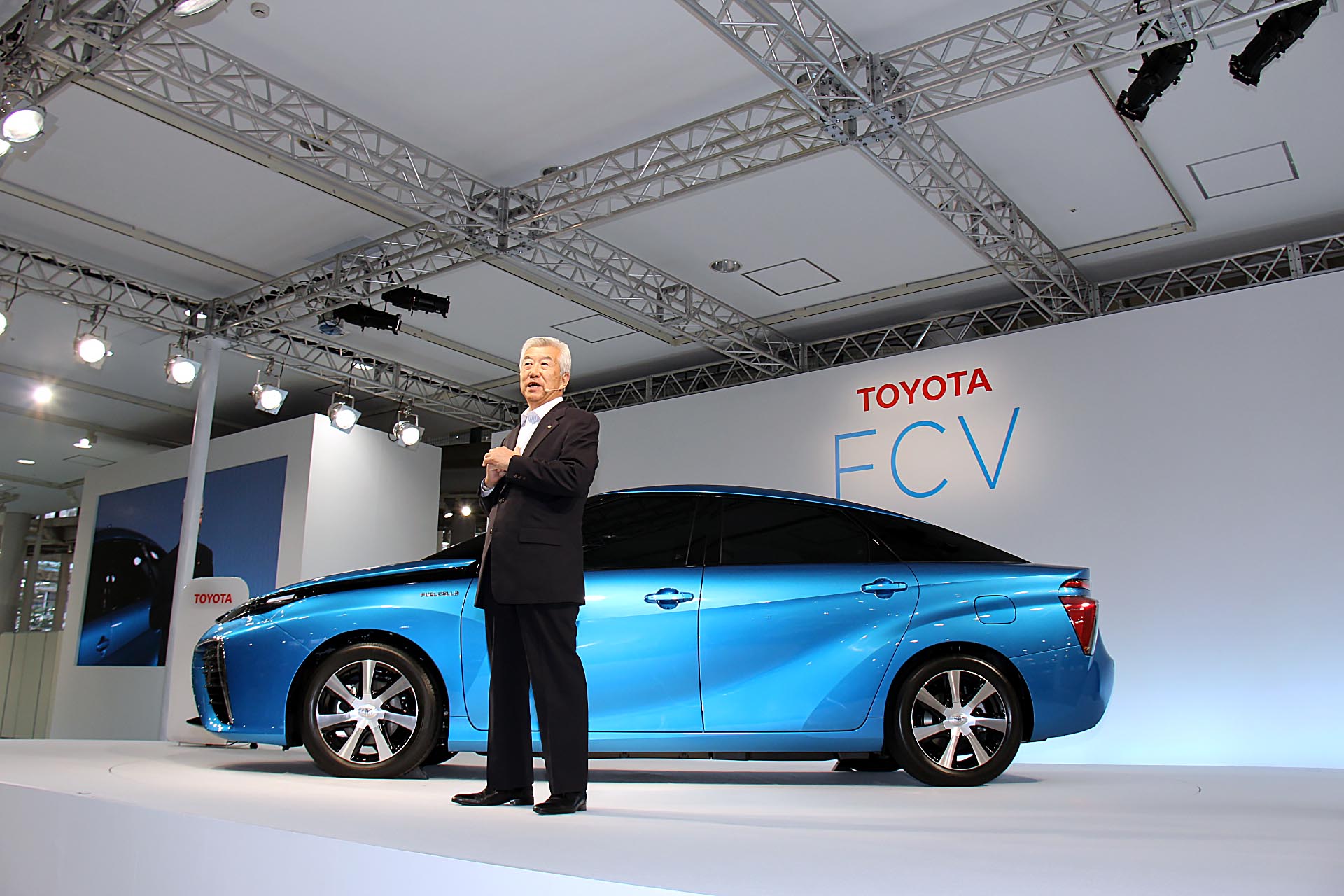
The advantages are compelling. Refueling mirrors the gasoline experience, taking roughly 3-5 minutes for a full tank, offering a significant advantage over the longer charging times of battery electric vehicles (BEVs). FCEVs like the Toyota Mirai or Hyundai Nexo already offer ranges comparable to gasoline cars, around 400 miles. The driving experience is quiet, smooth, and torque-rich, typical of electric motors. Most importantly, if the hydrogen is produced using renewable energy (so-called “green hydrogen”), the entire well-to-wheels cycle can be virtually carbon-neutral.
The Core Differences: A Side-by-Side Breakdown
- Energy Creation vs. Energy Release: This is the fundamental dichotomy. Hydrogen creates electrical energy through a controlled chemical reaction. Gasoline releases thermal energy through explosive combustion, which must then be converted to mechanical motion.
- Efficiency: Here, hydrogen faces a significant “well-to-wheels” challenge. While a fuel cell vehicle is about 60% efficient at converting hydrogen’s energy to motion—far better than a gasoline engine—producing, compressing, transporting, and dispensing hydrogen currently involves substantial energy losses. Green hydrogen, made via electrolysis using solar or wind power, might only see 20-30% of the original renewable energy reach the wheels. Gasoline’s efficiency is low at the car, but the process of getting oil from the ground to the tank is relatively efficient. Overall, battery electric vehicles currently have a commanding efficiency lead over both.
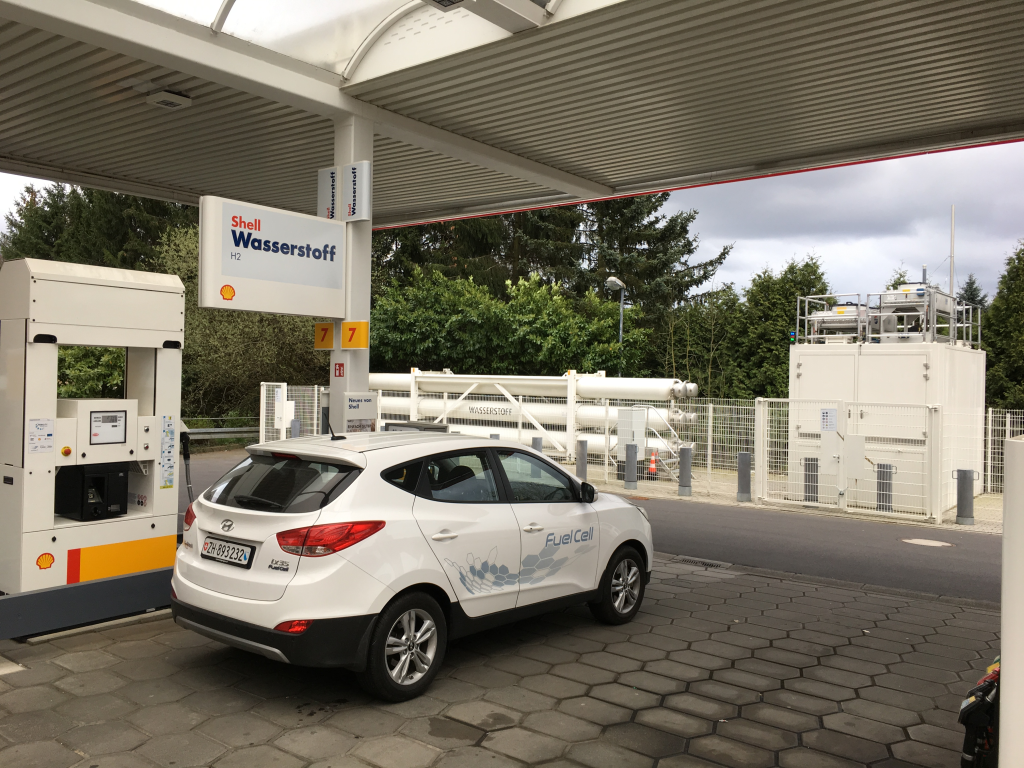
- Infrastructure: The Billion-Dollar Hurdle: This is hydrogen’s greatest obstacle. There are roughly 145,000 gas stations in the U.S. and Europe combined. There are a few hundred hydrogen stations globally, concentrated in California, Germany, Japan, and China. Building a nationwide hydrogen refueling network requires astronomical investment in production plants, pipelines, cryogenic tankers, and stations—a classic “chicken-and-egg” problem with vehicle adoption.
- Environmental Impact: Gasoline’s environmental cost is clear and present. Hydrogen’s impact is entirely upstream. “Grey hydrogen,” produced from natural gas, still has a large carbon footprint. The promise of “green hydrogen” is revolutionary but remains a small fraction of total production and is currently expensive.
- Vehicle Design & Cost: Gasoline vehicles are mechanically complex (engine, transmission, exhaust) but cheap to make. FCEVs are simpler in some ways (electric motor, no multi-speed transmission) but rely on expensive, precious-metal catalysts like platinum in fuel cells and costly carbon-fiber tanks for hydrogen storage. This makes the vehicles themselves significantly more expensive than their gasoline or even battery-electric counterparts.
The Verdict: Not a Clear Winner, But a Defining Race
So, which is better? The unsatisfying answer is: it depends on the application and the timeframe.
For the foreseeable future, gasoline will remain the default for its sheer convenience, low vehicle cost, and universal infrastructure. Its role, however, will likely diminish due to regulatory pressures, rising emissions standards, and the rapid ascent of battery electric vehicles.
Hydrogen’s potential is vast but niche in the near term. Its strengths—fast refueling and high energy density—make it exceptionally well-suited for applications where batteries are impractical. This includes long-haul trucking, shipping, aviation, and heavy-duty industrial vehicles, where massive battery weight and long charging downtime are prohibitive. For passenger cars, hydrogen faces a fierce and already-winning competitor in battery electric vehicles, which have capitalized on a pre-existing electrical grid for charging.
Conclusion: A Multi-Energy Future
The race between hydrogen and gasoline is not likely to end with one obliterating the other. Instead, we are moving toward a diversified energy landscape for transportation.
Gasoline will persist but retreat. Battery electricity will likely dominate the passenger car market for its efficiency and simplicity. Hydrogen, the underdog with a clean bill of health, is poised to become the fuel of choice for the heavy-duty sectors that are hardest to electrify directly. It represents a complementary technology, not a direct replacement for every gasoline car on the road.
The ultimate goal is decarbonization. In that race, hydrogen’s value is not in beating gasoline in every category today, but in offering a viable, zero-emission path for the segments of our transportation ecosystem that have, until now, had no clear route beyond fossil fuels. The competition between these two powerful fuels is ultimately accelerating the arrival of a cleaner, more sustainable era of mobility for all.