

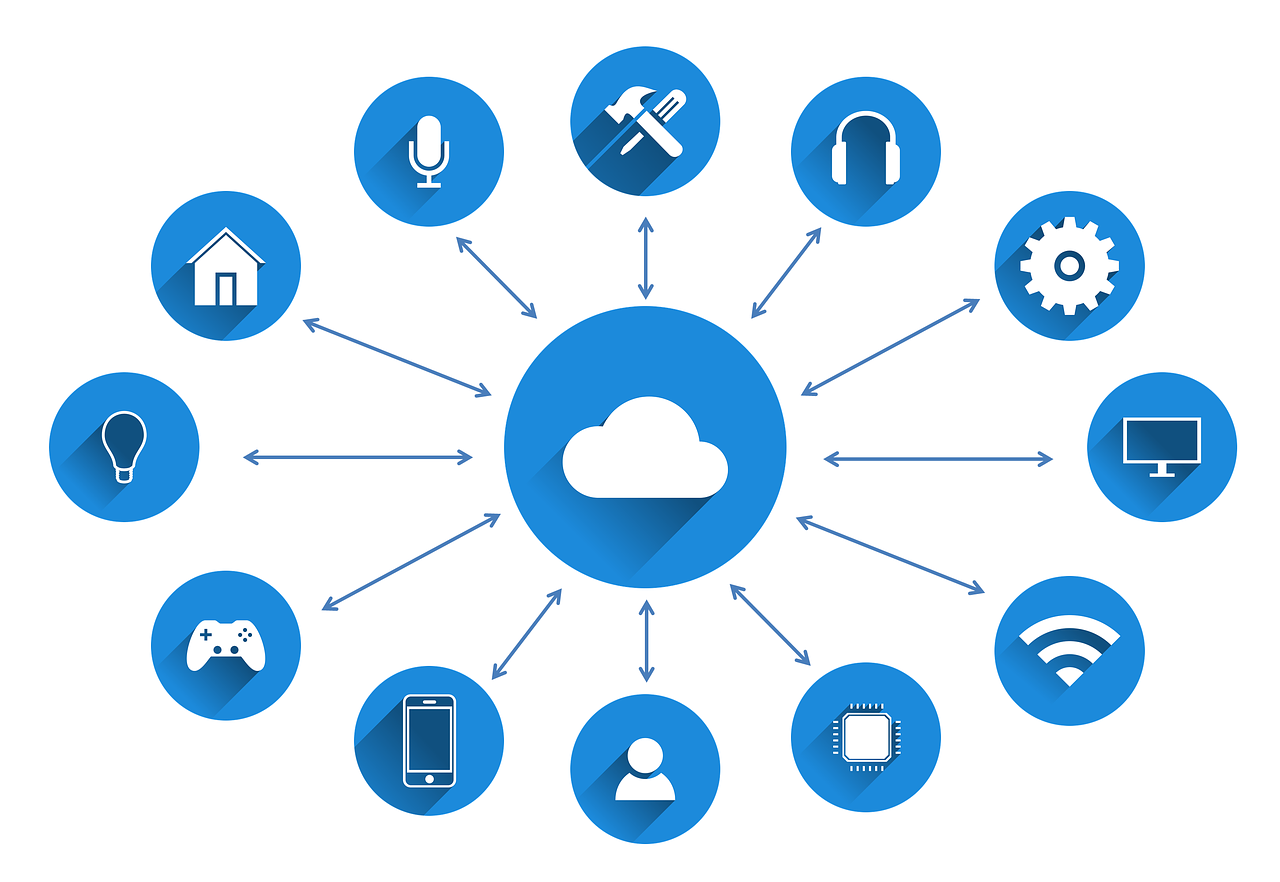
In the glowing promise of the smart home, our refrigerators order milk, our thermostats learn our preferences, and our doorbells stream HD footage of porch pirates. This interconnected web of convenience, often dubbed the Internet of Things (IoT), is rapidly transforming our domestic lives. With projections of over 25 billion connected devices globally, the allure is undeniable: efficiency, automation, and a futuristic sense of control. However, beneath the sleek interfaces and voice-activated commands lies a burgeoning landscape of risk. Connecting every device in our homes to the internet is not a neutral act; it is a trade-off, where the currency is often our privacy, security, and even physical safety. Understanding these risks is no longer a niche concern for tech enthusiasts—it is a crucial prerequisite for modern living.
The Privacy Paradox: Your Home as a Data Mine
The most pervasive risk is the wholesale erosion of privacy. A connected home is a data-generating engine. Your smart TV monitors your viewing habits. Your voice assistant records snippets of conversation (often triggered accidentally). Your fitness tracker logs your sleep patterns and location. Your robot vacuum may even map the interior layout of your home. Individually, these data points seem innocuous. Aggregated, they create a staggeringly intimate digital portrait of your daily life: when you wake, when you’re away, your health concerns, your entertainment preferences, and your familial interactions.
This data is immensely valuable, primarily for targeted advertising. However, the danger extends beyond tailored ads. Data breaches, insecure data storage, or opaque data-sharing agreements can expose this intimate profile to insurers, employers, or malicious actors. In the wrong hands, knowledge of an empty house becomes a burglary tool; understanding health patterns could influence insurance premiums. We have willingly installed corporate-surveillance devices in our most private spaces, often with little understanding of where the data flows or how it is used.
The Security Nightmare: Your Front Door on the Dark Web
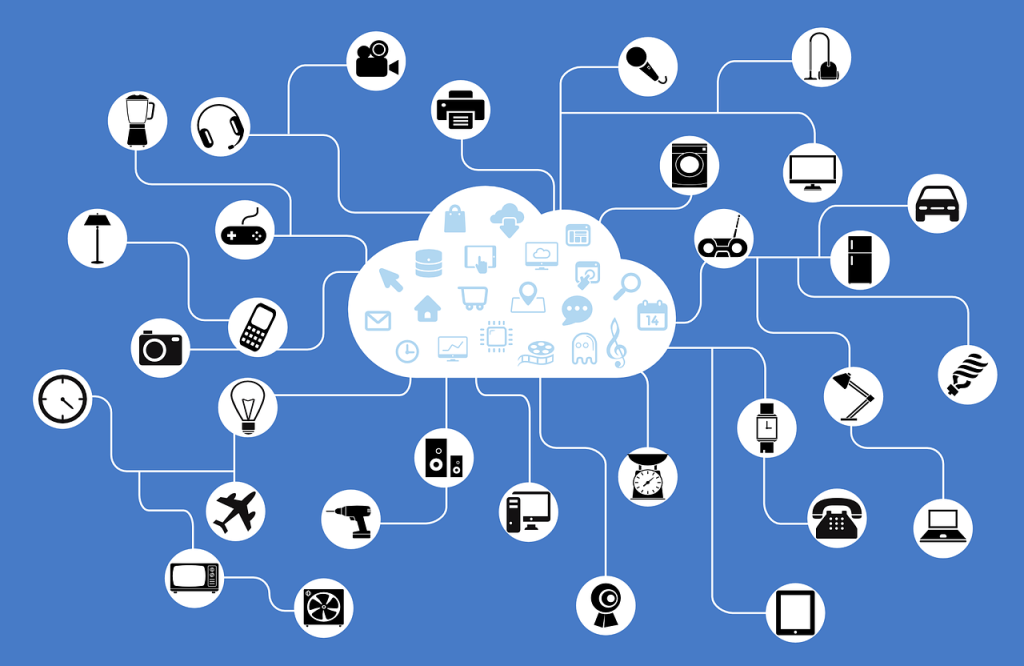
If privacy is the slow leak, security is the potential explosion. Many IoT devices are built for convenience and cost, not security. They are shipped with weak default passwords (like “admin” or “1234”), unpatched software vulnerabilities, and minimal processing power to run robust security protocols. This makes them easy prey for hackers.
Once compromised, a single device—a child’s Wi-Fi enabled teddy bear or a smart light bulb—can become a foothold into your entire home network. From there, attackers can pivot to steal sensitive information from your laptops or phones, deploy ransomware, or recruit your device into a “botnet”—a vast army of zombie devices used to launch crippling cyber-attacks on other targets. The infamous Mirai botnet, which brought down major websites in 2016, was powered by hijacked smart cameras and routers.
The threats become palpably physical. A hacked smart lock could deny you entry or grant it to an intruder. A compromised thermostat could be held for ransom in the dead of winter. Researchers have demonstrated the ability to hijack connected baby monitors or manipulate smart oven settings. The attack surface of your home expands dramatically with every new connected gadget, turning domestic appliances into potential vectors for chaos.
The Interdependence Problem: When Convenience Creates Fragility
The smart home sells itself on seamless automation—a symphony of devices working in concert. But this interdependence creates a new form of fragility. When your Wi-Fi fails, you don’t just lose internet browsing; you may lose the ability to adjust your heating, view your security cameras, or even unlock your door if you’ve foregone physical keys. A server outage at a manufacturer’s data center can render your devices “dumb,” or worse, inoperable.
This reliance on external infrastructure and corporate continuity poses a long-term risk. If a device manufacturer goes bankrupt or decides to end support for an older product (“planned obsolescence”), your device may become permanently vulnerable, unable to receive critical security updates. You are left with a choice: continue using an insecure device or contribute to the growing problem of electronic waste. The connected home, therefore, tethers the basic functionality of our domestic environment to the health of corporations and the stability of our internet connection.
Psychological and Social Implications: The Home That Watches
Beyond the digital, there are subtler, psychological risks. The constant, ambient data collection can create a low-level sense of surveillance, even within one’s own walls. The presence of always-on microphones and cameras, however beneficial their intended purpose, can inhibit spontaneous behaviour and subconsciously alter the dynamics of private conversation and family life.
Furthermore, the automation designed to simplify life can inadvertently lead to skill erosion and dependency. Outsourcing memory, routine, and basic decision-making to algorithms may weaken our own cognitive muscles for managing our environment. The convenience of the smart home risks creating a generation unfamiliar with manual problem-solving, from programming a traditional thermostat to troubleshooting a basic appliance.
Mitigating the Risks: Building a Smarter, Safer Home
Abandoning connectivity is neither feasible nor desirable for most. The goal is not neo-Luddism, but informed and cautious integration. Here is a roadmap for a more secure approach:
- Segregate and Conquer: Use your router’s functionality to create a separate “guest” network exclusively for IoT devices. This prevents a compromised smart plug from accessing your primary network where your computers and smartphones reside.
- Practice Cyber Hygiene: Always change default passwords to strong, unique ones. Enable multi-factor authentication wherever possible. Religiously install firmware updates the moment they become available—these often patch critical security holes.
- Research Before You Buy: Prioritize devices from reputable companies with a clear track record of providing long-term security support. Look for products with transparent privacy policies and that allow for local, rather than cloud-only, processing of data.
- Disable Unnecessary Features: Turn off microphones, cameras, and data-collection features you do not actively use. Mute your voice assistant when not in use.
- Embrace the “Dumb” Alternative: Critically assess if a device needs to be smart. Does your kettle really need an app? A traditional mechanical lock is immune to remote hacking. Choose connectivity only where it provides undeniable, secure value.
The hyper-connected home is not a destination, but a journey that requires constant navigation. The benefits of automation, energy efficiency, and accessibility are real and powerful. Yet, to embrace them blindly is to ignore the profound responsibilities that come with wiring our private sanctuaries to the global internet. By acknowledging the risks—to our privacy, our digital and physical security, and our autonomy—we can make conscious choices. The true smart home is not the one with the most devices, but the one where the homeowner is the most informed and in control, ensuring that convenience never comes at the cost of core security and peace of mind.