

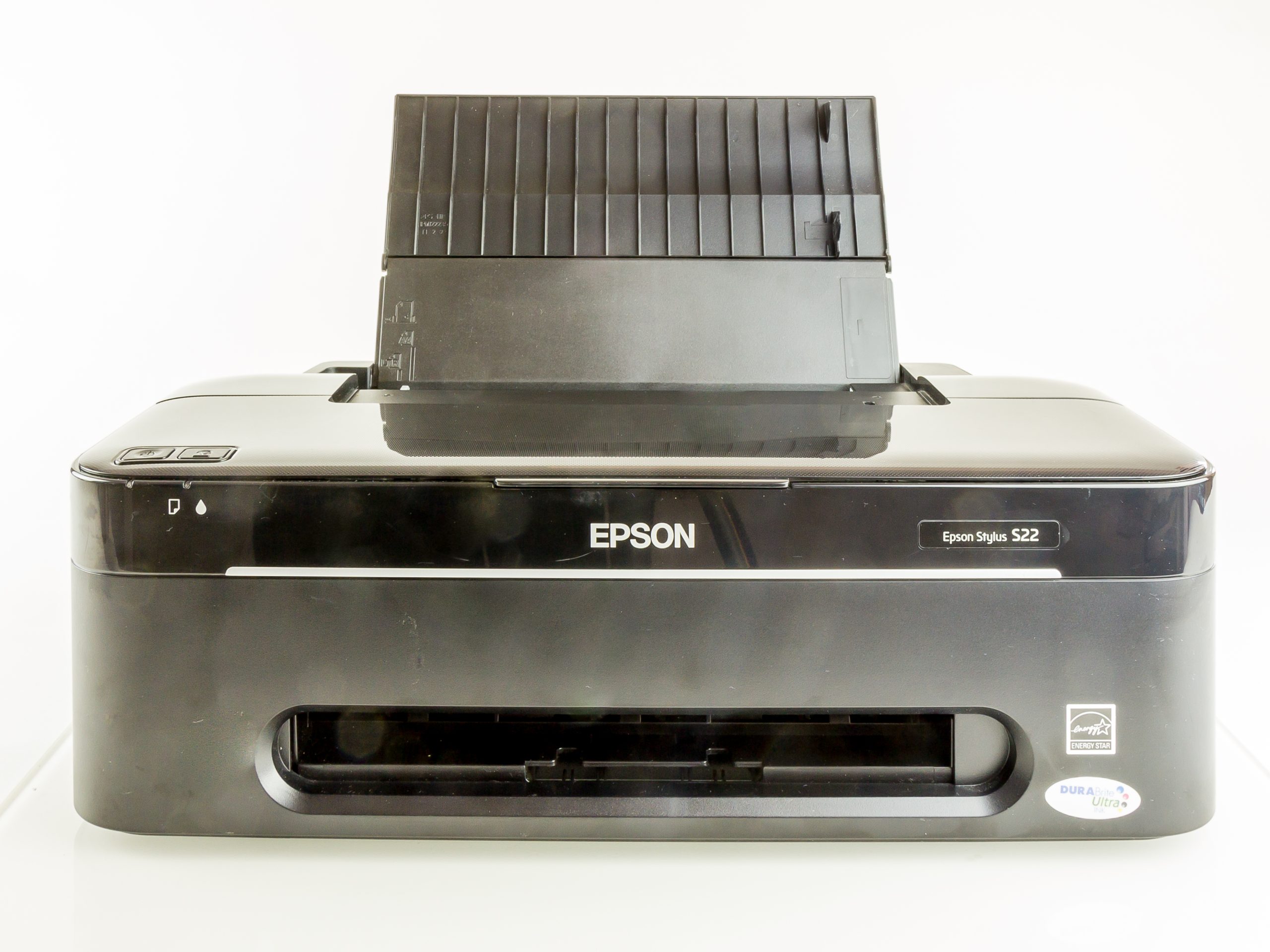
In the modern workspace or home office, few decisions feel as deceptively simple yet critically important as choosing a printer. The age-old debate between laser and inkjet technology continues to rage, fueled by evolving innovations from both camps. Declaring one universally “better” is a misstep—the true answer hinges on your specific needs, usage patterns, and priorities. This deep dive into the strengths and weaknesses of each technology will guide you to the perfect print partner.
The Core Technology: A Tale of Toner and Ink
Understanding the fundamental difference is key to making an informed choice.
Laser Printers operate like a sophisticated photocopier. They use a laser beam to draw an electrostatic template of your page onto a rotating drum. This charged image attracts a fine powder called toner, which is then transferred and heat-fused onto the paper. This process is inherently fast and precise, especially for text.
Inkjet Printers are the artists of the duo. They work by propelling microscopic droplets of liquid ink onto the paper through tiny nozzles in the print head. This method allows for exquisite gradient control and color blending, making it the preferred technology for high-quality photo reproduction.
The Battlefronts: Where Each Printer Excels
1. Print Quality & Purpose
- Inkjet: The undisputed champion for photo and color graphics printing. High-end consumer and professional inkjets can produce stunning, gallery-quality photographs with vibrant colors and subtle tonal transitions. Modern models with 5, 6, or even 12 individual ink cartridges achieve a remarkable color gamut. They also generally handle a wider variety of paper types—glossy, matte, canvas, transfer paper—with greater ease.
- Laser: The king of text and business graphics. Black-and-white laser printers produce razor-sharp, water-resistant text that is perfect for documents, contracts, and reports. Color lasers have made tremendous strides and are excellent for charts, graphs, and marketing materials where color accuracy is important but photographic perfection is not critical. The output is instantly dry and smudge-proof.
2. Cost Considerations: Upfront vs. Long-Term
This is the most critical and often misunderstood factor.
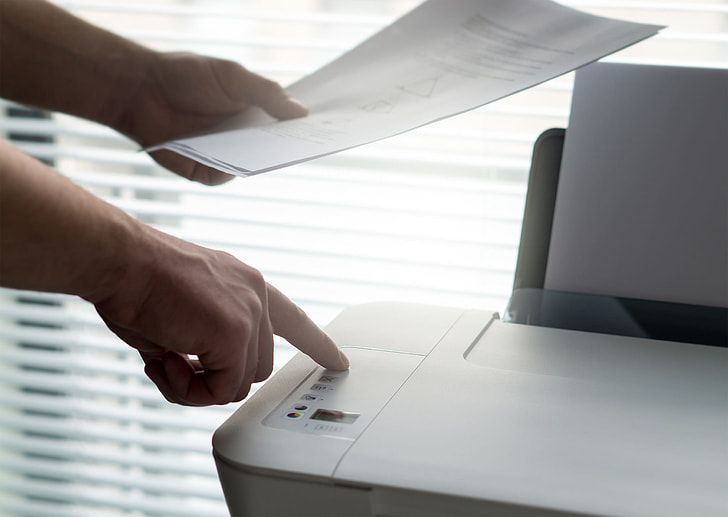
- Upfront Cost: Inkjet printers almost always win. You can purchase a capable multifunction inkjet for a fraction of the cost of a comparable color laser printer. Entry-level inkjets are frequently sold at a loss, as manufacturers recoup profits on ink.
- Cost-Per-Page (CPP): Here, laser printers, especially monochrome ones, are typically the victors. Toner cartridges have a much higher page yield than ink cartridges. While the toner cartridge is expensive, the cost per page is often significantly lower. Inkjet CPP can be astronomically high, particularly if you use original manufacturer cartridges. The rise of ink tank printers (a subset of inkjets with refillable reservoirs) has dramatically changed this calculus, offering laser-like CPP for color printing.
3. Speed and Volume
- Speed: Laser printers are faster for high-volume document printing. Their first page out (FPO) time is exceptionally quick, and they maintain a steady pace. While some business-class inkjets rival laser speeds, for consistent, multi-copy document printing, laser technology is more efficient.
- Volume/Duty Cycle: Laser printers are built for endurance. They have higher monthly duty cycles and are engineered to handle the demands of a busy office. Printing 500-page reports won’t faze a workhorse laser. Most consumer inkjets are designed for lower-volume, intermittent use.
4. Reliability and Maintenance
- The Dreaded Clog: This is the inkjet’s Achilles’ heel. If left unused for weeks, the liquid ink in the print head nozzles can dry and clog, leading to costly print head replacements or service calls. Laser printers, with their dry toner, are far more forgiving of sporadic use.
- Consistency: Laser output is remarkably consistent from the first page to the thousandth. An inkjet may require occasional nozzle checks and print head cleanings (which waste ink) to maintain optimal quality.
5. Size and Footprint
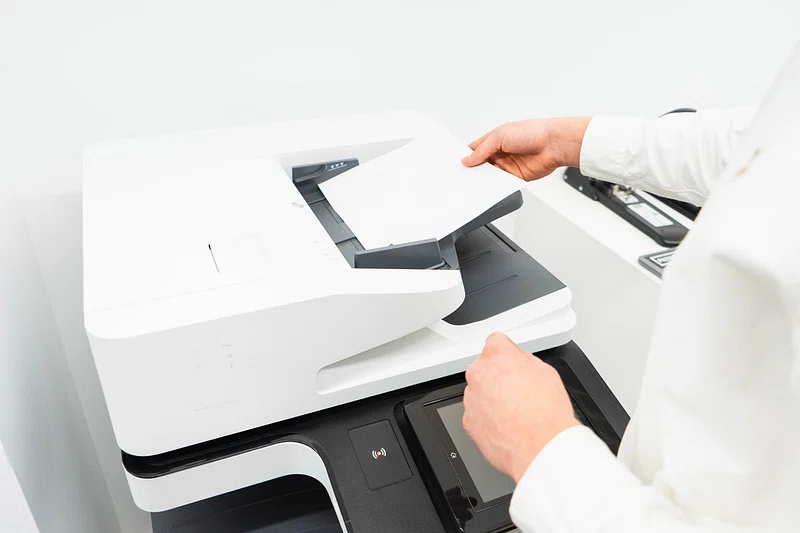
Inkjet printers, particularly basic models, tend to be more compact. Color laser printers, with their need for multiple toner drums and a fuser unit, are generally larger, heavier, and noisier. However, the gap is narrowing with compact laser models entering the market.
The Verdict: Which One is Right For You?
Choose a Laser Printer If:
- Your output is primarily text-based documents (reports, essays, forms).
- You print in moderate to high volumes (hundreds of pages per month).
- Speed and efficiency are paramount for your workflow.
- You need durable, water-resistant prints.
- You often go weeks between printing jobs and want a “just works” experience.
- You prioritize lower long-term cost-per-page for black-and-white printing.
Choose an Inkjet Printer If:
- You regularly print high-quality photographs or detailed color artwork.
- You print in low to moderate volumes, or your printing is “bursty” (nothing for days, then 50 photos at once).
- You need to print on a wide variety of specialty media (glossy photo paper, fabrics, etc.).
- Space and upfront cost are major constraints.
- You opt for a modern ink tank model, which combines the photo-quality and low CPP for color, making it an exceptional all-rounder for homes and creative small businesses.
The Evolving Landscape
The lines are blurring. Ink tank printers have revolutionized the home and small office market, offering incredible color CPP and eliminating cartridge waste. On the other side, color laser printer prices continue to fall, making them more accessible. Furthermore, subscription services like HP Instant Ink (for inkjets) cleverly alter the cost equation by providing a monthly page plan for a fee.
Final Thoughts
There is no solitary “best” printer—only the best printer for you. For the text-centric, volume-driven user, a monochrome laser is an unbeatable, reliable workhorse. For the color-centric, photo-loving, or versatile low-volume user, a modern inkjet—especially an ink tank model—is a brilliant choice. Before you buy, take an honest audit of your monthly print volume, color vs. black-and-white ratio, and quality requirements. Calculate the true total cost of ownership, not just the sticker price. By aligning the core strengths of each technology with your real-world needs, you’ll transform this daunting debate into a confident decision, ensuring your chosen printer becomes a trusted ally, not a source of frustration, for years to come.