

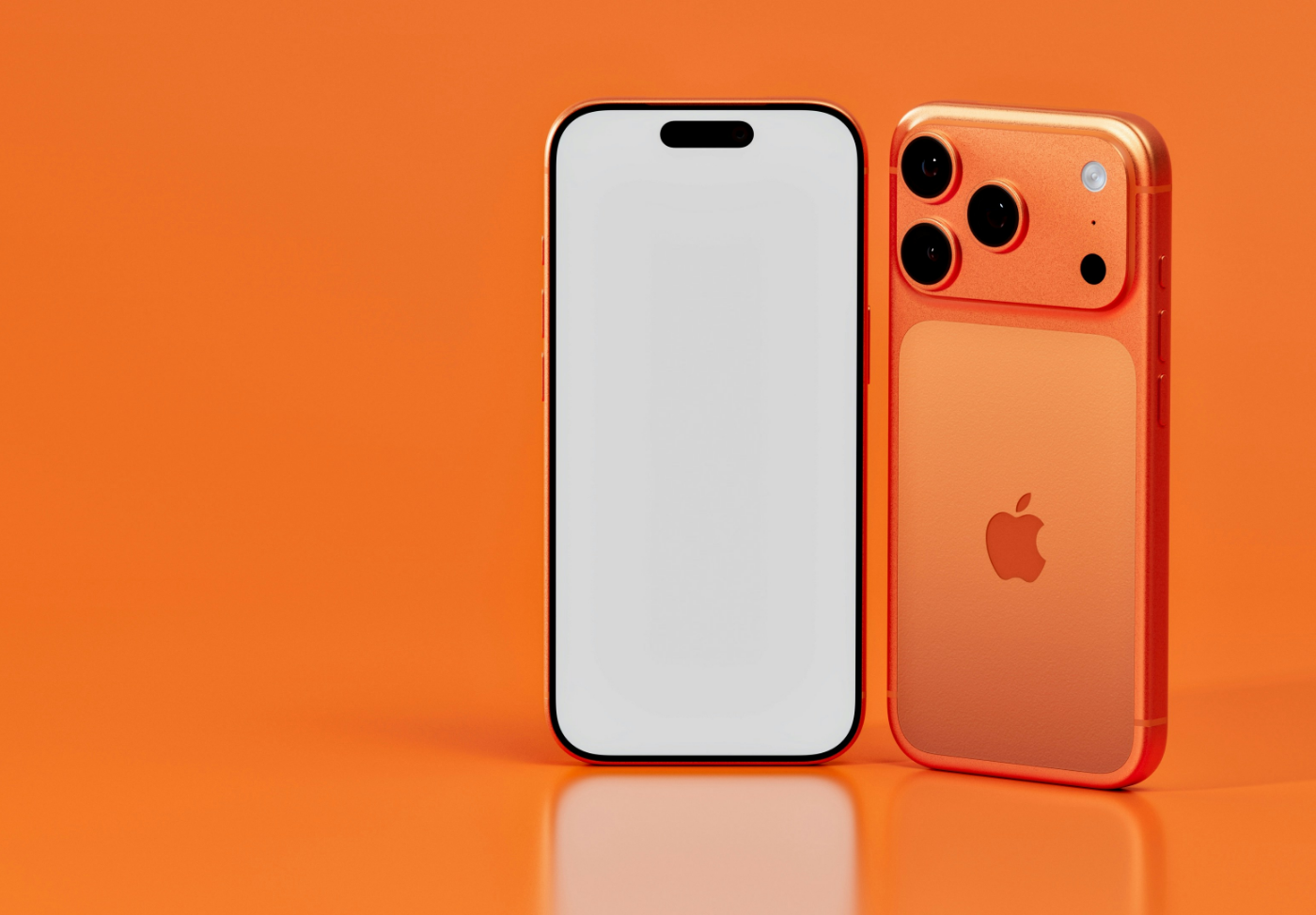
As the tech world spins on its ever-accelerating axis, the annual iPhone release has become a familiar rhythm. We expect incremental updates: a faster chip, a better camera, a brighter screen. Yet, as the horizon clears and the silhouette of the iPhone 17 comes into focus, it becomes apparent that Apple is playing a different game this time. The iPhone 17 is not merely a successor to the 16; it is the bedrock upon which the next decade of personal technology will be built. This device marks a strategic pivot from perfecting the smartphone form to forging its future essence.
The Silent Revolution: Beyond the Spec Sheet
At first glance, the iPhone 17 retains the sleek, titanium-edged elegance we’ve come to expect. The rumored “Slim” variant proves this, offering a strikingly thin profile that feels like holding a slate of polished obsidian. The display, now branded as “XDR ProMotion,” achieves a new zenith in brightness and color accuracy, but its true magic is invisible: a revolutionary low-power mode that dynamically adjusts refresh rates down to an imperceptible 1Hz, finally conquering the battery anxiety that has plagued smartphones for years.
The heart of the iPhone 17 is the A19 Pro chip, fabricated on an unprecedented 2nm process. While the raw speed gains are impressive, the story isn’t about gigahertz. It’s about efficiency and a new specialized neural engine, dubbed the “NPU Fusion Core.” This dedicated silicon isn’t just for applying photo filters faster; it’s a always-on, low-power intelligence hub designed to make the phone anticipate, not just react.
The Dawn of Ambient Computing
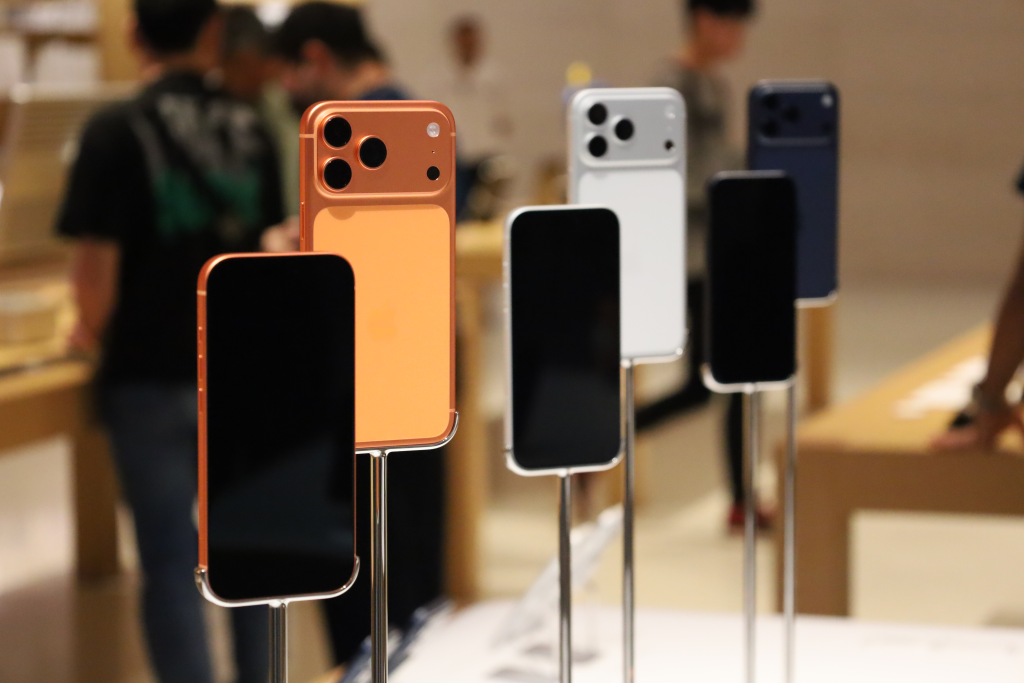
This is where the iPhone 17 shifts from a tool to an ambient partner. Imagine a device that, learning your routines, pre-loads your transit pass just as you approach the subway, automatically dims and silences itself when it senses you’ve begun reading a book, or whispers a contextual reminder about an upcoming meeting based on an overheard (and privately processed) snippet of conversation. This is the promise of the iPhone 17’s AI—not as a chatbot you open, but as a seamless layer of assistance woven into the fabric of your day.
Apple’s approach, heavily emphasized in their keynote, is “Practical Intelligence.” It’s AI that operates locally on-device, prioritizing privacy, speed, and utility over parlor tricks. The Camera app now offers “Composition Coach Pro,” using the NPU Fusion Core to guide you in real-time toward professional-grade framing and lighting. The Notes app can autonomously generate meeting summaries from audio recordings, complete with actionable bullet points. Siri, reborn, is finally conversational, context-aware, and capable of executing complex, multi-app tasks with a single, natural command.
The Lens as a Portal: Computational Photography’s Leap
The camera hardware sees a thoughtful, not revolutionary, upgrade: a stabilized 48MP ultrawide sensor joins the main and telephoto arrays. The true transformation is computational. Leveraging the A19 Pro’s power, Apple introduces “Light Field Capture.” By analyzing micro-variations in light across the sensor array, the iPhone 17 can now generate a depth map of astonishing precision post-capture. This allows for near-magical photo editing: refocusing to any point in the image years after it was taken, or applying studio-quality lighting effects with a realism that blurs the line between captured and created.
For video creators, “Cinematic Mode” evolves into “Directorial Mode.” The phone can now track multiple subjects simultaneously, intelligently cutting between them in real-time based on who is speaking, creating dynamic, editable multicam sequences from a single device. It’s a powerful tool that democratizes sophisticated filmmaking.
The Ecosystem Anchor: Your Center of the Universe
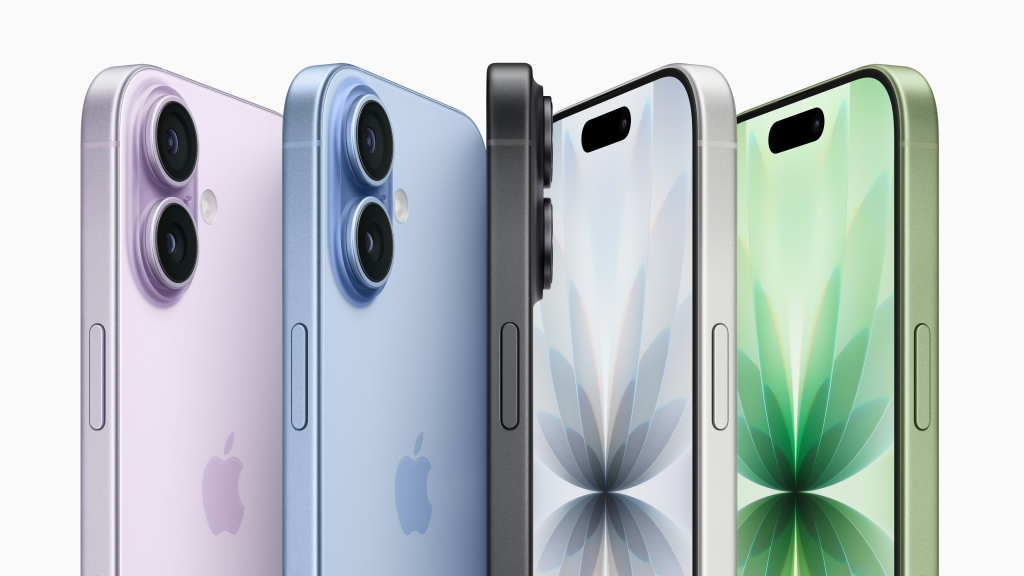
The iPhone 17’s most profound role may be as the central node in Apple’s expanding universe. Its new, ultra-low-latency connectivity chip enables seamless handoff with the rumored Apple Glasses, acting as their processing powerhouse. The enhanced UWB (Ultra-Wideband) makes AirDrop instantaneous and precise, while turning your iPhone into the ultimate digital car key and home access device.
Battery life, often the Achilles’ heel of innovation, has been addressed not just with the efficient chip and display, but with a new stacked-cell battery design that offers 20% more capacity in the same space, enabling the slim design without compromise. When you do need to charge, the shift to Qi2 means truly universal 15W fast wireless charging, finally ending the MagSafe exclusivity.
A Question of Philosophy
Critics will note the iPhone 17 lacks the flashy, headline-grabbing features of competitors—no built-in projectors, no rollable screens. And that is precisely the point. Apple is not chasing gadgetry; it is refining a platform. The iPhone 17 feels mature, confident, and focused. It solves persistent, real-world problems: battery life, clumsy AI, fragmented ecosystems. It makes the complex simple and the tedious effortless.
Priced at a premium that reaffirms its flagship status, the iPhone 17 is not for the casual upgrader. It is a statement of intent. It is for the user who lives within the Apple ecosystem, for the creator who demands tools that disappear, for anyone who believes technology should serve silently in the background of a well-lived life.
Conclusion: The Bridge Device
The iPhone 17 will be remembered not for any single feature, but for its role as a bridge. It is the bridge from the smartphone era we know to the era of ambient, intelligent computing that is coming. It consolidates a decade of mobile innovation into a polished, powerful whole, and then quietly lays the groundwork for the next paradigm shift. It is less a new chapter and more the solid ground from which the next tower will rise. In the iPhone 17, Apple hasn’t just built a better phone; it has built the most reliable, intelligent, and capable foundation a user could hope to hold in their hand. The future is arriving not with a bang, but with the quiet, assured chime of a new iPhone powering on.